What Did Dinosaurs Look Like?
Dinosaurs came in an incredible variety of shapes and sizes! The largest dinosaurs were the long-necked sauropods like Brachiosaurus and Argentinosaurus. These gentle giants could reach over 100 feet long and weigh as much as 10 elephants! They had tiny heads on enormously long necks. Their pillar-like legs supported their massive bodies. Some sauropods were so tall they could peek into fourth-floor windows!
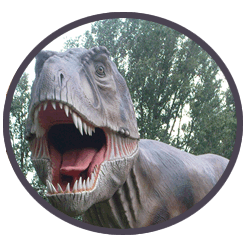
Meat-eating dinosaurs walked on two legs and had sharp teeth and claws! Tyrannosaurus rex was one of the largest predators ever to walk on land. It stood about 12 feet tall at the hip and measured 40 feet from nose to tail. T-Rex had a massive head with bone-crushing jaws and teeth up to 9 inches long. Its tiny arms were only about 3 feet long-too short to reach its own mouth!
Many dinosaurs had amazing armor, horns, and crests! Triceratops had three horns on its face and a huge bony frill behind its head. Stegosaurus had rows of bony plates along its back and spikes on its tail. Ankylosaurus was covered head to tail in bony armor like a living tank. Some dinosaurs had feathers! Scientists have found fossils showing that many small dinosaurs were covered in colorful feathers!
Where Did Dinosaurs Live?
Dinosaurs lived on every continent on Earth! Their fossils have been found on all seven continents, including Antarctica. When dinosaurs lived, the world looked very different from today. The continents were closer together. The climate was warmer, and there were no ice caps at the poles. Lush forests and ferns grew in places that are now deserts!
Different types of dinosaurs lived in different habitats! Forest-dwelling dinosaurs hid among tall trees and thick plants. Plains dinosaurs roamed open areas much like today's grasslands. Coastal dinosaurs lived near ancient seas. Some dinosaurs lived in dry, desert-like areas. Dinosaur fossils have been found in places ranging from the frozen rocks of Antarctica to the burning deserts of Mongolia!
Some of the most famous dinosaur fossil sites are in North America! Montana, Wyoming, Utah, and Colorado have produced thousands of dinosaur bones. The Gobi Desert in Mongolia is famous for perfectly preserved dinosaur nests and eggs. Argentina has produced some of the largest dinosaur fossils ever found. New dinosaur species are still being discovered today-scientists name about 50 new species every year!
What Did Dinosaurs Eat?
Plant-eating dinosaurs ate ferns, conifers, cycads, and other ancient plants! Long-necked sauropods could reach the tops of tall trees with their enormous necks. Triceratops and other horned dinosaurs ate low-growing plants, using their beak-like mouths to snip tough vegetation. Hadrosaurs (duck-billed dinosaurs) had hundreds of teeth packed together for grinding plants. Some plant-eaters swallowed stones to help grind food in their stomachs!
Meat-eating dinosaurs hunted other dinosaurs and animals! T-Rex was a powerful predator that could crush bone with a single bite. Its bite force was stronger than any animal alive today. Velociraptors were smaller but hunted in packs, using their sharp curved claws to take down prey. Spinosaurus was a giant predator that caught fish in rivers with its crocodile-like snout!
Some dinosaurs ate both plants and animals! Ornithomimus and other ostrich-like dinosaurs probably ate a mixed diet of plants, insects, and small animals. Oviraptor ate eggs, shellfish, and plants. Baby dinosaurs of all types likely started by eating smaller, softer foods. As they grew, their diets changed to match their adult lifestyles!
Baby Dinosaur Facts
All dinosaurs hatched from eggs! Dinosaur eggs came in many shapes and sizes. Some were round like balls, others were long like loaves of bread. The largest dinosaur eggs were about the size of a football. Even the biggest sauropods started life in eggs that were surprisingly small compared to their adult size. Dinosaur nests have been found on every continent!
Some dinosaurs were caring parents! Maiasaura (meaning "good mother lizard") built nests and brought food to its babies. Fossils show adult Maiasaura sitting near nests full of baby bones. Oviraptor was found sitting on a nest of eggs, protecting them like a bird does today. Some dinosaur parents may have guarded their nests and cared for their young for weeks or months!
Baby dinosaurs grew at different rates! Some sauropod babies may have gained several pounds per day. Scientists can tell how fast dinosaurs grew by studying growth rings in their bones, similar to tree rings. T-Rex went through a huge growth spurt as a teenager, gaining thousands of pounds in just a few years. Most dinosaurs reached adult size within 10 to 20 years!
Young dinosaurs faced many dangers! Eggs and babies were targets for predators, including other dinosaurs. Small meat-eaters probably raided nests to steal eggs. Young dinosaurs that survived had to find food, avoid predators, and grow quickly. Scientists think dinosaurs may have traveled in herds partly to protect their young. Safety in numbers helped baby dinosaurs survive!
Why Are Dinosaurs Special?
Dinosaurs capture our imagination like no other animals! These incredible creatures were the dominant land animals for a very long time. They filled every role-from tiny insect-eaters to enormous plant-munchers to fearsome predators. Dinosaurs show us the amazing variety of life that has existed on our planet!
Studying dinosaurs teaches us about the world! Paleontologists (scientists who study fossils) piece together dinosaur skeletons like giant puzzles. Every new fossil discovery teaches us something new. We've learned about dinosaur colors, sounds, behaviors, and even diseases. Dinosaur science keeps getting more exciting as new technology helps us unlock their secrets!
Dinosaurs are no longer around today, but they left behind amazing clues! We learn about dinosaurs from the fossils they left in the rocks. Scientists keep making new discoveries about what dinosaurs looked like and how they lived. Every fossil helps us picture these incredible creatures that God made long ago!
Dinosaurs remind us of the amazing creatures that have lived on Earth! From the tiniest raptors to the towering sauropods, dinosaurs came in incredible variety. Their fossils spark wonder in kids and adults alike. Museums around the world display dinosaur skeletons that inspire the next generation of scientists. Dinosaurs may be gone now, but our fascination with them will never go extinct!
Cool Facts About Dinosaur!
- Biggest land animals ever: Sauropod dinosaurs were the largest animals to ever walk on land! Argentinosaurus may have weighed over 80 tons-that's as heavy as 12 elephants. Supersaurus reached over 110 feet long. These giants had hearts the size of bathtubs to pump blood up their long necks. Despite their size, they started life as babies that hatched from eggs no bigger than a football!
- T-Rex's powerful bite: Tyrannosaurus rex had the strongest bite of any land animal ever! Scientists estimate its bite force at over 12,000 pounds. That's enough to crush a car. T-Rex could bite through solid bone and swallow chunks of meat the size of a suitcase. Its 50 to 60 teeth were constantly replaced throughout its life. When one tooth fell out, a new one grew in!
- Three-horned face: Triceratops means "three-horned face"! It had two long horns above its eyes and a shorter horn on its nose. Its giant bony frill protected its neck. Scientists think Triceratops used its horns to defend against predators and to impress other Triceratops. Some fossils show battle scars, proving these horned dinosaurs fought each other!
- Feathered dinosaurs: Many dinosaurs had feathers! Small meat-eating dinosaurs like Velociraptor and Microraptor were covered in feathers. Some had beautiful colored plumage. Microraptor even had feathers on all four limbs and could glide through the air. These feathered dinosaurs are some of the most fascinating of all! God made an amazing variety of creatures, big and small.
- Armored tanks: Ankylosaurus was built like a living battle tank! Its entire body was covered in bony plates and spikes. Even its eyelids had armor! Its tail ended in a massive bony club that could swing with enough force to break a predator's leg bones. Ankylosaurus weighed about 6 tons and was nearly impossible for even T-Rex to attack successfully!
- Plate-backed giant: Stegosaurus had 17 bony plates along its back and four sharp tail spikes! The plates may have helped control body temperature or been used for display. The four tail spikes-nicknamed the "thagomizer"-were deadly weapons. Stegosaurus had a brain about the size of a walnut despite being 30 feet long. But its body was well-designed for its plant-eating lifestyle!
- Fast runners: Some dinosaurs were incredibly fast! Ornithomimus could run at speeds over 40 miles per hour. That's faster than most horses! Gallimimus was another speedy dinosaur with long legs built for running. Even T-Rex, despite its size, could probably reach 15 to 25 miles per hour. Small raptor dinosaurs were among the quickest creatures of their time!
- Designed for their world: Every dinosaur was wonderfully suited for its way of life! Sauropods had long necks to reach tall trees. T-Rex had powerful jaws for hunting. Triceratops had horns for defense. Stegosaurus had plates for temperature control. Hadrosaurs had hundreds of teeth for grinding plants. Each dinosaur showed incredible design for its particular lifestyle!