Explore Amphibian Groups
Tap a group to discover amazing amphibian facts!
Animal Group
Amphibians are cold-blooded animals that live part of their lives in water and part on land. They start out as water babies, then grow legs and breathe air. From tiny tree frogs to giant salamanders, amphibians are amazing!
Tap a group to discover amazing amphibian facts!
Frogs have smooth skin, big eyes, and powerful back legs for jumping. They live near water because they lay their eggs there. A frog can jump 20 times its own body length!
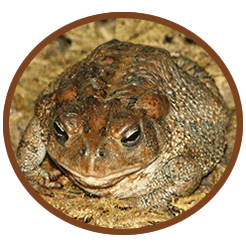
Toads look like frogs but have dry, bumpy skin and shorter legs. They hop instead of jump. Many toads live far from water and only return to lay eggs.
Featured animals: Toads
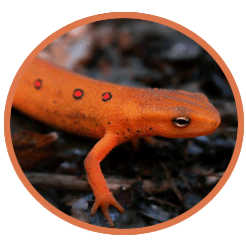
Salamanders look like lizards but have soft, moist skin. They walk on four legs and have long tails. If a salamander loses a leg or tail, it can grow a new one!
Featured animals: Salamanders, Axolotls
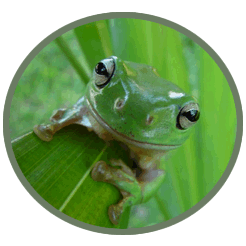
Tree frogs have sticky toe pads that let them climb up trees and even walk on glass! They are usually bright green or have colorful patterns. Many tree frogs are tiny.
Featured animals: Tree Frogs
Poison dart frogs have bright colors that warn predators "do not eat me!" Their skin makes strong poison. Native people once used the poison on the tips of darts for hunting.
Featured animals: Poison Dart Frogs
Frogs have smooth, wet skin, long legs for jumping, and live near water. Toads have dry, bumpy skin, short legs for hopping, and can live far from water.
Tadpoles hatch from eggs and live in water, breathing through gills. As they grow, they sprout back legs, then front legs, lose their tail, and start breathing air. The change takes weeks to months.
Yes! Most amphibians have moist, slippery skin. The slime helps keep their skin from drying out and protects them from germs in the water.
Most frogs and toads are safe to touch gently, but always wash your hands afterward. Never touch poison dart frogs or unfamiliar bright-colored frogs because their skin can be toxic.
Amphibians eat tons of bugs, including mosquitoes! They are also a sign of a healthy environment because they are very sensitive to pollution and habitat changes.