What Do Poison Dart Frogs Look Like?
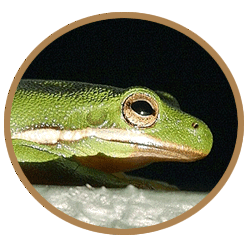
Poison dart frogs are among the most colorful animals on Earth! They come in dazzling combinations of blue, yellow, red, orange, green, black, and white. The blue poison dart frog is electric cobalt blue with black spots. The golden poison dart frog is bright sunshine yellow. The strawberry poison dart frog is brilliant red or orange. Some species have stripes, spots, or marbled patterns. These vivid colors are called aposematic coloration-nature's warning signs that scream "Do not eat me!"
These frogs are surprisingly tiny! Most poison dart frogs are only about 1 inch long-small enough to sit on your thumbnail! The smallest species is just over half an inch, while the largest grows to 2.5 inches. Despite their small size, poison dart frogs have big, bold personalities! They have smooth, moist skin that must stay wet. Their eyes are large relative to their body size. Poison dart frogs have four toes on their front feet and five on their back feet with sticky toe pads for climbing!
Males and females usually look similar, but there are subtle differences! In most species, females are slightly larger than males. Females often have plumper bodies, especially when carrying eggs. Males typically have larger toe pads than females. Some species show different color variations between males and females. But overall, poison dart frogs are hard to sex just by looking at them. The best way to tell males from females is by listening-only males make calling sounds!
Where Do Poison Dart Frogs Live?
Poison dart frogs live in Central and South American rainforests! They range from Nicaragua south to Brazil and Bolivia. Most species live in tropical lowland rainforests with high humidity and warm temperatures. Poison dart frogs prefer areas near streams, rivers, or pools where they can keep their skin moist. Different species live at different elevations-some prefer lowland jungles while others live in cool mountain cloud forests up to 6,000 feet high!
These frogs spend most of their time on the rainforest floor! Unlike tree frogs that live in branches, poison dart frogs are terrestrial-they hop around on fallen leaves, moss, and rocks. Some species climb into low plants and bromeliads. Poison dart frogs need shady, damp areas to survive. They hide under leaves, logs, and rocks to stay cool and moist. During the day, poison dart frogs actively hunt for food. At night, they rest in protected spots!
Each poison dart frog species has a limited range! Many species live only in small areas of rainforest, sometimes just a few square miles. The golden poison dart frog lives only along a tiny strip of Colombian rainforest. Some species are found on just one mountain or in one river valley. This makes poison dart frogs very vulnerable to habitat destruction. When their small patch of rainforest is cut down, entire species can disappear. Conservation of rainforests is essential for these frogs' survival!
What Do Poison Dart Frogs Eat?
Poison dart frogs eat tiny invertebrates! Their diet consists mainly of ants, termites, and mites. They also eat fruit flies, springtails, and other small insects. Poison dart frogs are active hunters that hop around the forest floor searching for prey. When they spot food, they shoot out their sticky tongue to catch it! Their tongues are attached at the front of their mouths and flip out incredibly fast-the whole catch happens in milliseconds!
The frog's poison actually comes from their food! Scientists discovered that poison dart frogs raised in captivity with regular insects are not poisonous at all! In the wild, poison dart frogs eat specific ants, mites, and beetles that contain toxic chemicals. The frogs absorb these toxins and store them in glands in their skin. Over time, the poisons accumulate, making the frogs deadly to predators. When deprived of their natural toxic prey, the frogs lose their poison. This is an amazing example of chemical defense!
These frogs have tiny mouths perfect for eating small prey! Poison dart frogs cannot eat anything bigger than their mouth opening. They prefer prey that is less than 1/8 inch long. A single poison dart frog eats dozens or hundreds of tiny insects every day! They use their excellent eyesight to spot moving prey. Poison dart frogs are especially active after rain when many small insects are active. Their diet keeps insect populations in check in the rainforest!
Baby Poison Dart Frog Facts
Poison dart frog reproduction is fascinating! Males call loudly to attract females. When a female approaches, the male leads her to a good egg-laying site-usually a moist leaf, moss, or the forest floor. The female lays a small clutch of 2 to 12 eggs. The eggs are covered in a protective jelly coating. Males fertilize the eggs after the female lays them. In many species, one parent stays to guard the eggs from predators and fungus!
Tadpoles hatch after 10 to 18 days! The parent that provides care (usually the male, but sometimes the female) stays with the eggs until they hatch. When tadpoles wriggle free from their jelly eggs, they climb onto the parent's back. The sticky mucus on the parent's back helps tadpoles stay attached. The parent then carries the tadpoles to water-either a forest pool, stream, or bromeliad plant. This piggyback ride may take the parent high into the rainforest canopy!
Tadpole life varies by species! Some species deposit all tadpoles together in a large pool where they eat algae and grow communally. Other species separate each tadpole in its own tiny pool. Tadpoles in bromeliads depend entirely on their mother bringing them unfertilized eggs to eat. The mother returns every 2 to 3 days to check on each baby and lay eggs for food. Tadpoles grow for 6 to 14 weeks depending on the species and food availability!
Metamorphosis transforms tadpoles into frogs! The tadpole grows legs, absorbs its tail, and develops lungs. Its mouth transforms from the round sucking mouth of a tadpole to the wide mouth of a frog. When transformation is complete, the tiny froglet (about the size of a rice grain) leaves the water. Young poison dart frogs are not poisonous yet-they must eat toxic ants and mites to build up their defenses. Young frogs reach adult size and breeding maturity at 1 to 2 years old!
Why Are Poison Dart Frogs Important?
Poison dart frogs help control insect populations in rainforests! By eating enormous numbers of ants, termites, and mites, these frogs keep insect populations in balance. They are food for specialized predators like snakes that have developed poison resistance. Poison dart frogs are indicator species-their presence shows the rainforest is healthy. When pollution or habitat destruction damages ecosystems, poison dart frogs decline quickly. Scientists monitor frog populations to measure rainforest health!
These frogs have contributed to medical research! Scientists study poison dart frog toxins to develop new medicines. One toxin from these frogs led to the development of a powerful painkiller 200 times stronger than morphine! Researchers hope frog toxins may help create new treatments for pain, heart conditions, and other diseases. Every species of poison dart frog may contain unique chemicals. Losing species before we study them means losing potential medical breakthroughs!
Poison dart frogs raise awareness about rainforest conservation! Their bright colors and interesting behaviors make them popular in zoos and educational programs. When people learn about poison dart frogs, they become interested in saving rainforests. Many conservation organizations use poison dart frogs as flagship species to draw attention to habitat loss. Protecting these tiny frogs means protecting entire rainforest ecosystems and the thousands of other species that live there!
These remarkable frogs reveal the Creator's wisdom! Poison dart frogs were designed with incredible chemical defenses, devoted parenting, and warning coloration that works perfectly. The way they store toxins from their food without harming themselves shows amazing biochemical engineering. Their parenting behaviors-carrying tadpoles, remembering bromeliad locations, and feeding babies-demonstrate that even tiny creatures can have complex, purposeful behaviors. Every poison dart frog is a miniature masterpiece that points to the Creator's attention to detail in even the smallest creatures!