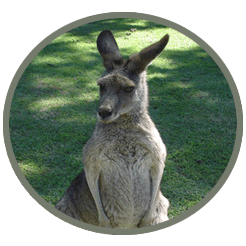
🦘 Marsupials
Pouch animals like kangaroos and koalas that carry their babies in a cozy pouch as they grow.
See MarsupialsAnimal Group
From tiny shrews to giant whales, mammals are warm-blooded animals that breathe air, grow hair or fur, and feed their babies milk. Meet the three groups of mammals and learn what makes each one special!
Tap a group to discover amazing mammal facts!
Pouch animals like kangaroos and koalas that carry their babies in a cozy pouch as they grow.
See Marsupials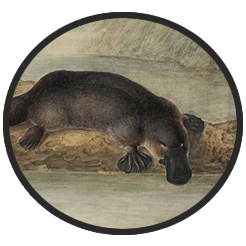
The only mammals that lay eggs, like the platypus and the spiny echidna.
See Monotremes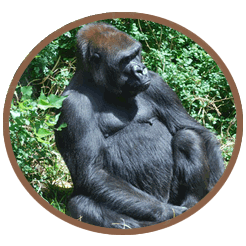
The biggest mammal group, where babies grow safely inside the mother before they are born.
See Placental Mammals


Mammals that walk on hard hooves, like horses, cows, and giraffes.
See Hoofed Animals
Mammals that live in the water, like whales, dolphins, and manatees.
See Aquatic Mammals
Small mammals that mostly eat insects, like bats, moles, and anteaters.
See Insectivores

Monotremes are the rarest kind of mammal, and the only mammals that lay eggs instead of having live babies! Only five species of monotremes live on Earth today, and they all live in Australia or New Guinea. After their babies hatch, mother monotremes still feed them milk, just like other mammals. Monotremes have special features that no other mammals have, like duck-like bills and webbed feet.
Featured animals: Platypuses, Echidnas
Marsupials are mammals that carry their babies in pouches! Most marsupials live in Australia, but a few live in the Americas. Marsupial babies are born very tiny and helpless. They climb into mom's pouch and stay there for weeks or months, drinking milk and growing strong. Once they are big enough, they peek out of the pouch and start exploring the world.
Featured animals: Kangaroos, Koalas, Opossums, Tasmanian Devils
Most mammals are placental mammals! Their babies grow inside mom's body until they are ready to be born. Placental mammals live almost everywhere on Earth: in oceans, forests, deserts, jungles, and even the freezing Arctic. They are split into smaller groups based on what they eat and how they live.
Carnivores have sharp teeth and strong jaws for hunting and eating meat. Lions, Tigers, Wolves, and Bears are all carnivores.
Herbivores eat plants, leaves, grass, fruit, or bark. Elephants, Giraffes, Zebras, and Horses are herbivores.
Aquatic mammals spend their lives in water but still breathe air. Whales, Dolphins, and Manatees are aquatic mammals.
Primates have hands that can grip and big brains for solving problems. Chimpanzees, Gorillas, and Monkeys are primates.
Insectivores eat insects and small bugs. Anteaters, Bats, and Pangolins are insectivores.
Omnivores eat both meat AND plants. Rodents like mice and squirrels are omnivores.
Yes! Humans are mammals too. We are warm-blooded, we breathe air, we have hair, and mothers feed babies milk. Humans are a special kind of mammal called primates.
Whales breathe air with lungs, are warm-blooded, give birth to live babies, and feed them milk. Fish breathe through gills and lay eggs. Even though whales live in water, they are mammals.
After humans, dolphins and chimpanzees are among the smartest mammals. They can solve puzzles, use tools, and recognize themselves in mirrors!
Almost all mammals have hair or fur somewhere on their bodies, even if it is just a few strands. Whales and dolphins have a tiny bit of hair when they are born, but they lose most of it as they grow.
The cheetah! Cheetahs can run 70 miles per hour in short bursts, making them the fastest mammals on land. The fastest swimming mammal is the dolphin.