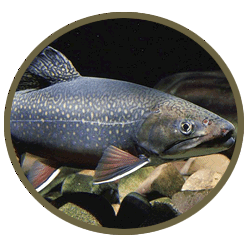
What Do Freshwater Fish Look Like?
Freshwater fish come in amazing variety! From sleek predators to colorful aquarium favorites, these fish show incredible diversity.
Fish sizes vary wildly! The smallest freshwater fish is the Paedocypris fish from Indonesia at only 0.3 inches long - smaller than your fingernail! The largest freshwater fish are giant catfish and sturgeons that can grow 16 feet long and weigh 650 pounds - bigger than a horse!
Freshwater fish have special body features! Most have streamlined bodies perfect for swimming in currents. Their scales protect them and reduce drag. Fins help them steer, stop, and maintain balance. Tails propel them forward. Gills extract oxygen from water so they can breathe!
Many freshwater fish have bright colors! Tropical aquarium fish like Bettas, Guppies, and Cichlids display brilliant reds, blues, greens, and yellows. These colors help attract mates and warn rivals. Other fish are camouflaged - matching river bottoms perfectly to hide from predators!
Some fish have unusual shapes! Sunfish are flat and round like pancakes. Eels are long and snake-like. Catfish have whisker-like barbels around their mouths. Pike have long, torpedo-shaped bodies. Discus fish are perfectly circular when viewed from the side!
Common types of freshwater fish include:
- Game Fish - Bass, trout, pike, walleye (popular with fishermen)
- Catfish - Whiskered bottom-feeders, some grow huge!
- Carp & Minnows - Goldfish, koi, barbs (over 3,000 species!)
- Cichlids - Colorful fish with complex behaviors
- Characins - Tetras, piranhas, and their relatives
- Livebearers - Guppies, mollies, swordtails (give birth to live young!)
Where Do Freshwater Fish Live?
Freshwater fish live in lakes, rivers, ponds, streams, and wetlands! Only 3% of Earth's water is freshwater, yet it contains nearly half of all fish species!
River fish are built for currents! Fish like trout, salmon, and darters have streamlined bodies to fight strong water flow. They hide behind rocks to rest. Some can leap up waterfalls! River fish need clean, oxygen-rich water.
Lake fish prefer calmer water! Bass, perch, and sunfish live in lakes. Some stay near shore in weedy shallows. Others cruise deep, open water. Big lakes have different fish at different depths - some prefer cold deep water, others like warm surface areas!
Pond fish adapt to small spaces! Goldfish, koi, and other pond fish can survive in smaller water bodies. They tolerate lower oxygen levels and warmer temperatures. Some pond fish can even survive brief periods when ponds partially dry up!
Some fish migrate incredible distances! Salmon are born in rivers, swim to the ocean, then return to their exact birth stream years later to spawn! Eels do the opposite - born in the ocean, they swim to freshwater rivers to live, then return to the ocean to reproduce. How they navigate is amazing!
Tropical freshwater fish love warm water! The Amazon River has over 3,000 fish species - more than the entire Atlantic Ocean! Piranhas, electric eels, and arapaimas thrive in warm, slow-moving tropical rivers. Colorful tetras and catfish dart through submerged forests!
Some fish survive extreme environments! Pupfish live in desert springs reaching 104°F! Antarctic fish survive near-freezing water. Cave fish live in total darkness underground. Lungfish burrow in mud during droughts and breathe air until rain returns!
Many fish form schools! Schooling protects small fish from predators. When hundreds swim together in perfect coordination, predators get confused! Schools look like one giant organism, constantly shifting and swirling.
What Do Freshwater Fish Eat?
Freshwater fish eat an amazing variety of foods! Their diets depend on their size, habitat, and body design.
Carnivorous fish (meat eaters):
- Pike ambush smaller fish with lightning strikes
- Bass hunt minnows, crayfish, and frogs
- Trout catch insects that fall on water
- Piranhas use razor-sharp teeth to eat fish and meat
- Catfish scavenge dead fish and animals on bottom
- Archerfish shoot water to knock insects off branches!
Herbivorous fish (plant eaters):
- Grass carp eat aquatic plants and algae
- Some cichlids scrape algae from rocks
- Silver carp filter tiny plant plankton
- Plecos (algae eaters) clean algae from surfaces
Omnivorous fish (eat both):
- Goldfish eat plants, insects, and small animals
- Carp eat anything - plants, insects, worms, snails
- Sunfish eat insects, small fish, and plant matter
- Many aquarium fish accept varied diets
Filter feeders:
- Paddlefish swim with mouths open, filtering zooplankton
- Some catfish strain tiny organisms from mud
- Bighead carp filter microscopic plankton
Fish have different hunting strategies! Ambush predators like pike hide motionless, then strike in a flash. Active hunters like trout constantly search for food. Bottom feeders like catfish use sensitive barbels (whiskers) to find food in murky water or darkness.
Some fish have special adaptations! Electric eels generate electricity to stun prey! Anglerfish have glowing lures to attract prey in dark caves. Archerfish spit water to shoot down insects. Piranhas hunt in groups, overwhelming larger prey with numbers!
Many fish eat insects! When insects land on water, fish snap them up instantly. Fish also eat insect larvae living underwater. Trout fishermen use artificial flies that look like real insects!
Young fish eat different food than adults! Baby fish (fry) start by eating tiny organisms like zooplankton. As they grow, they eat progressively larger prey. A bass that eats minnows as an adult ate microscopic organisms as a baby!
Baby Freshwater Fish
Baby fish are called fry! How they develop varies greatly by species.
Most freshwater fish lay eggs! Females can lay anywhere from dozens to thousands of eggs. Some scatter eggs randomly in water. Others carefully prepare nests. The male usually fertilizes eggs after the female lays them.
Fish eggs hatch in days or weeks! Tiny fish emerge looking like miniature adults with big yolk sacs attached. The yolk sac provides food for the first few days. Once it's absorbed, baby fish must find their own food!
Some fish give live birth! Guppies, mollies, platys, and swordtails don't lay eggs. Females carry eggs inside their bodies. Babies hatch internally and are born as swimming fish! A female guppy can have 20-100 babies at once!
Many fish show parental care! Bass and sunfish males guard nests fiercely, fanning eggs with their fins to keep them oxygenated. Cichlid parents protect babies in their mouths! When danger approaches, babies swim into mom or dad's mouth for safety.
Salmon babies stay in rivers! After hatching, young salmon spend 1-3 years in freshwater before migrating to the ocean. They must adapt to saltwater before making the journey - a process called smolting. Years later, they return to spawn!
Baby fish face incredible dangers! Bigger fish, birds, insects, and even adult fish of their own species eat fry. Only a tiny percentage survive to adulthood. This is why fish lay so many eggs!
Young fish often look different from adults! Many have camouflage patterns that fade with age. Some have false eye spots near their tails to confuse predators. Baby cichlids might be dull-colored even though adults are brilliant!
Fish grow throughout their lives! Unlike mammals that stop growing at adulthood, fish keep growing as long as they live. Growth slows with age, but never completely stops. This is why old fish are often the biggest!
Why Are Freshwater Fish Special?
Freshwater fish are designed with remarkable adaptations! Their ability to thrive in limited water habitats, incredible diversity, specialized hunting methods, and survival strategies make them endlessly fascinating. Despite living in only 3% of Earth's water, they represent nearly half of all fish species!
Freshwater fish are crucial for ecosystems! They control insect populations, keep plant growth balanced, provide food for birds and mammals, and help recycle nutrients. Healthy fish populations mean healthy rivers and lakes!
Fish help humans in many ways! They provide food for millions of people worldwide. Sport fishing brings joy and teaches patience. Aquarium fish help people relax and learn about nature. Scientists study fish to understand water quality and ecosystem health.
Many freshwater fish face threats! Pollution, dams blocking migration routes, overfishing, and invasive species threaten native fish. Some species have gone extinct, and many are endangered. Protecting clean water protects fish!
Conservation makes a difference! Removing old dams helps salmon migrate. Reducing pollution improves water quality. Catch-and-release fishing protects populations. Fish hatcheries help rebuild depleted species. Everyone can help by keeping waterways clean and respecting fishing regulations!