What Do Robins Look Like?
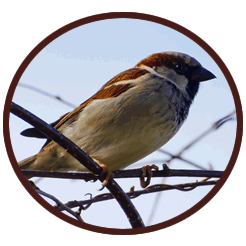
Robins are easy to recognize! They have a bright red-orange breast that stands out. This colorful chest is actually more orange than red, but it's often called a "red breast."
Their back and head are gray-brown! The contrast between their dark upper body and bright breast makes robins very distinctive. They have a white patch around their eyes and white spots on their tail corners that show when they fly.
Male and female robins look similar! Males usually have brighter, more colorful breasts, and females are a bit duller. But they're so similar that it's hard to tell them apart unless you see them side by side.
Robins are medium-sized songbirds! They're bigger than sparrows but smaller than crows. They're about the size of a tennis ball when puffed up! They have fairly long legs for hopping on the ground.
Young robins look different! Baby robins have spotted breasts instead of solid red-orange. These spots help camouflage them. By their first fall, young robins have their red breast feathers and look like adults.
Robins have bright yellow beaks! Their bills are yellow-orange, perfect for grabbing worms and berries. The beak is fairly strong and can pull stubborn worms from the ground.
Where Do Robins Live?
American Robins live all across North America! You can find them in Canada, the United States, and Mexico. They're one of the most widespread birds on the continent!
Robins love yards, parks, and forests! They prefer areas with short grass (perfect for finding worms) and nearby trees for nesting. You've probably seen robins hopping around your lawn or school playground!
Some robins migrate, others don't! Robins that live in cold northern areas fly south for winter. But robins in warmer places stay year-round. So in many areas, you can see robins all year! People used to think all robins migrated, but now we know many stay through winter.
Robins that do migrate travel in groups! In fall, robins gather in flocks and head south. In spring, they return north - males usually arrive first to claim the best territories, then females arrive a bit later.
Robins are the state bird of Connecticut, Michigan, and Wisconsin! They're so beloved that three states chose them as their official bird. They're common, cheerful, and a welcome sight in spring.
There are robins in other parts of the world too! European Robins are different birds that also have red breasts. But they're smaller and act differently from American Robins. They're not closely related, but both got the name "robin" because of their colorful chests!
What Do Robins Eat?
Robins eat different foods depending on the season! They're omnivores, eating both animals and plants.
What's on a robin's menu?
- Earthworms (their favorite!)
- Insects (beetles, caterpillars, grasshoppers)
- Berries and fruits
- Seeds (especially in winter)
- Small snails and other invertebrates
Robins are famous for eating worms! You've probably seen a robin hopping across a lawn, stopping, tilting its head, then pulling up a worm. They can eat up to 14 feet of worms per day - that's as long as a car!
How do robins find worms? People used to think robins listened for worms underground. But scientists now know robins use their excellent eyesight! They can spot tiny movements that show where worms are just under the surface.
In summer, robins eat mostly worms and insects! This protein-rich food helps them raise their babies. Parent robins catch hundreds of insects and worms each day to feed their hungry chicks.
In fall and winter, robins eat more fruits and berries! When the ground is frozen and worms are hard to find, robins switch to berries. They love holly berries, crabapples, and other fruits. This is why some robins can survive northern winters.
Robins have a special way of eating berries! They swallow small berries whole. The fruit gets digested, and seeds pass through and get deposited elsewhere. This helps spread plant seeds!
Baby Robins
Baby robins start as beautiful blue eggs! Robin eggs are a unique shade of turquoise blue - "robin's egg blue" is even the name of that color! Mom usually lays 3 to 5 eggs.
Female robins build amazing nests! They make cup-shaped nests from grass, twigs, and mud. The mother shapes the nest by sitting in it and turning around, pressing the materials with her breast. Nests are usually in trees, but sometimes on building ledges or porch lights!
Mom sits on the eggs for about 14 days! She keeps them warm at exactly the right temperature. Dad brings her food while she incubates. He also guards the territory, chasing away other robins and predators.
Baby robins hatch naked and helpless! They have closed eyes, no feathers, and can't regulate their temperature. They're completely dependent on their parents. Both parents work hard feeding them!
The chicks are ALWAYS hungry! Baby robins eat almost constantly during the day. Parents make hundreds of feeding trips, bringing worms, insects, and berries. The babies open their bright yellow mouths wide, begging for food constantly!
In just two weeks, babies are ready to leave! At about 14-16 days old, baby robins hop out of the nest. They can't fly well yet, but they can hop and flutter. Parents still feed them for another few weeks while they learn to find their own food.
Young robins can't fly well at first! When they first leave the nest, they're called "fledglings." They hop around on the ground and in bushes. This is dangerous - cats and other predators can catch them. Parents stay nearby, feeding them and warning them of danger.
If you find a baby robin on the ground, usually it's okay! Unless it's injured, the parents are probably nearby watching. Baby robins spend time on the ground learning to fly. It's best to leave them alone - mom and dad know what to do!
Why Are Robins Special?
Robins are designed as helpful garden birds! They eat lots of insects that can damage plants. Gardeners love having robins around because they help control pests naturally.
Robins are symbols of spring and new beginnings! Many people get excited when they see their first robin of spring. These cheerful birds remind us that warmer weather is coming and nature is waking up after winter.
These birds connect people to nature! Because robins live in yards and parks, even people in cities get to enjoy watching them. Robins are one of the easiest birds for kids to identify and observe.
Robins teach us about persistence and hard work! Parent robins work tirelessly to feed their babies, making trip after trip with food. They show us the value of dedication and caring for family.