What Do Sea Lions Look Like?
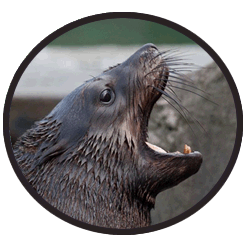
Sea lions have sleek, torpedo-shaped bodies built for speed in the water! They have thick brown or golden-brown fur that turns darker when wet. Male sea lions are much larger than females. Male Steller sea lions can weigh over 2,500 pounds! California sea lions are smaller, with males reaching about 700 pounds. All sea lions have long, flexible bodies covered in short fur!
The easiest way to tell a sea lion from a seal is by looking at their ears! Sea lions have small, visible ear flaps on the sides of their heads. True seals only have tiny ear holes with no flaps. Sea lions also have large, powerful front flippers that they use like wings underwater. Their big dark eyes help them see well in murky ocean water!
Sea lions can walk and even run on land using all four flippers! They rotate their back flippers forward under their bodies, which true seals cannot do. This lets them move surprisingly fast on rocky shores. Sea lions waddle and bounce along on their flippers. Males often have a large bump on their foreheads called a sagittal crest, which grows bigger as they age!
Where Do Sea Lions Live?
Sea lions live along coastlines in many parts of the world! California sea lions are found along the western coast of North America from Alaska to Mexico. Steller sea lions live in the cold waters of the North Pacific. South American sea lions live along the coasts of South America. Australian sea lions are found along the southern coast of Australia!
Sea lions spend time both in the water and on land! They hunt for food in the ocean, sometimes diving to depths of 900 feet. When resting, they gather on rocky shores, sandy beaches, docks, and even boat platforms. Sea lions love to haul out on warm surfaces to soak up the sun. In some cities, sea lions have taken over piers and docks!
Sea lion colonies can be enormous! During breeding season, thousands of sea lions gather on beaches called rookeries. Males claim sections of beach and defend territories. The sounds of a sea lion colony are incredible-hundreds of barking, roaring animals all calling at once. Outside breeding season, sea lions still gather in large groups to rest and socialize!
What Do Sea Lions Eat?
Sea lions eat fish, squid, octopus, and other sea creatures! They're skilled hunters that chase prey through the water at high speeds. California sea lions eat anchovies, sardines, mackerel, and squid. Steller sea lions eat larger fish like salmon and pollock. Some sea lions eat over 30 pounds of fish in a single day!
Sea lions are amazing underwater hunters! They can swim at speeds up to 25 miles per hour when chasing fish. Their large eyes help them spot prey in dark water. Their sensitive whiskers, called vibrissae, can detect vibrations from swimming fish. Sea lions sometimes work together to herd fish into tight groups, making them easier to catch!
Sea lions can hold their breath for a long time while hunting! Most dives last 1 to 5 minutes, but some sea lions can stay underwater for up to 20 minutes. They dive to find food on the ocean floor or chase fish through open water. After a big hunting trip, sea lions haul out on land to rest and digest their meal. They need to eat a lot because they burn energy quickly!
Baby Sea Lion Facts
Female sea lions give birth to one pup at a time on land! Pups are born after about 11 months inside their mother. Newborn sea lion pups weigh 13 to 45 pounds depending on the species. They're born with dark brown fur and open eyes. Pups can move around on land within hours of being born!
Mother sea lions are devoted parents! They nurse their pups with rich milk that helps them grow fast. Mothers recognize their own pup by its unique call and smell, even among thousands of pups on a crowded beach. Mothers go out to sea to hunt for a few days, then return to nurse their pup. The mother-pup bond is very strong!
Baby sea lions learn to swim at about 2 to 4 weeks old! At first, they splash around in shallow tide pools and protected coves. Pups practice swimming and diving skills as they grow. Young sea lions play together in the water, chasing each other and tossing seaweed. This play helps them develop the swimming skills they'll need to catch fish as adults!
Sea lion pups nurse for 6 to 12 months depending on the species! Some mothers continue nursing for over a year. Young sea lions start eating small fish while still nursing from their mother. Pups stay close to their mothers until they're fully weaned. Young sea lions join groups of other young animals called "pup pods" where they play and learn together!
Why Are Sea Lions Special?
Sea lions bridge the gap between land and sea! They're equally comfortable swimming through ocean waves and climbing rocky shores. Their ability to walk on flippers sets them apart from true seals. Sea lions show us how mammals can thrive in both the ocean and on land!
Sea lions are important members of ocean food chains! They eat fish and squid, and they're food for larger predators like great white sharks and killer whales. Their waste provides nutrients to coastal waters. When sea lion populations change, it affects the whole ocean ecosystem around them!
Most sea lion species are doing well, but some face challenges! The Australian sea lion is endangered, with fewer than 12,000 remaining. Steller sea lions were once threatened but have been recovering. Shifts in fish populations affect the food sea lions depend on. Fishing nets can accidentally trap sea lions. Protecting ocean habitats helps keep sea lion populations healthy!
Sea lions have won the hearts of people around the world! Their playful nature, intelligence, and entertaining behaviors make them favorites at aquariums and wildlife centers. Wild sea lions that take over piers and docks become local celebrities. Sea lions remind us that the ocean is full of smart, social, playful creatures that deserve our respect and protection!