What Do Albatrosses Look Like?
Albatrosses are large, elegant seabirds with incredibly long wings! The wandering albatross has the longest wingspan of any living bird-up to 11.5 feet from tip to tip! Some individuals have been measured with wingspans over 12 feet. That's longer than most people are tall! These massive wings are perfectly designed for gliding over the ocean.
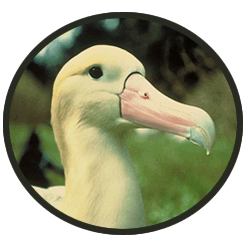
Most albatross species have white bodies with black or dark brown wings. Their coloring can vary-some are mostly white, while others are darker overall. They have large, hooked beaks perfect for catching slippery fish and squid. The beak is made of several horny plates and looks powerful and sharp!
Albatrosses have tube-like nostrils on top of their beaks that help them smell food from far away. They can detect the scent of fish and squid from miles across the ocean! They have webbed feet for swimming and large eyes for spotting prey in the water. Everything about an albatross is built for life at sea!
Where Do Albatrosses Live?
Albatrosses spend most of their lives flying over the open ocean! There are about 22 different species found mainly in the Southern Ocean around Antarctica and in the North Pacific Ocean. They're ocean wanderers that can travel thousands of miles in search of food.
These incredible birds only come to land to breed! They nest on remote islands in the Southern Ocean, like South Georgia Island, and on islands in the Pacific. Albatrosses prefer islands without predators where they can safely raise their chicks. Some breeding colonies have thousands of albatrosses nesting together!
When not breeding, albatrosses roam the ocean endlessly! They ride the strong winds over the Southern Ocean, circling Antarctica and traveling across vast stretches of water. Some albatrosses can fly over 10,000 miles in a single journey! They're perfectly suited to life on the wing, rarely coming to land except to nest.
What Do Albatrosses Eat?
Albatrosses are carnivores that eat seafood! Their diet includes fish, squid, krill, and other marine creatures. They're excellent hunters designed to catch food from the ocean surface. Albatrosses can eat several pounds of food at once and store it in their stomachs!
Here's how albatrosses hunt: They glide low over the ocean waves, watching for fish or squid near the surface. When they spot prey, they land on the water and grab it with their hooked beaks! They can also dive a short distance underwater to catch deeper prey. Albatrosses often feed at night when squid come closer to the surface.
These birds have a special talent-they can smell food from very far away! Their tube-shaped nostrils help them detect scents over the ocean. They can smell fish oils and chemicals released by feeding squid from many miles away. This incredible sense of smell helps them find food in the vast, empty ocean!
Baby Albatross Facts
Baby albatrosses are called chicks, and raising them is a huge commitment! Albatross pairs return to the same nesting site every breeding season. They build simple nests on the ground using mud, grass, and feathers. The female lays just one egg-a large white egg that both parents take turns incubating.
The egg takes about 2-3 months to hatch! Both parents share incubation duties, taking turns sitting on the egg while the other flies out to sea to feed. When the chick finally hatches, it's covered in fluffy down feathers and looks like a big gray cotton ball!
Raising an albatross chick takes a very long time! The chick stays in the nest for 4-9 months depending on the species. During this time, both parents fly out to sea to catch food, then return to feed their hungry chick. They regurgitate partially digested fish and squid for the baby to eat.
Young albatrosses grow slowly but steadily. When they finally leave the nest, they fly out to sea alone without their parents! Young albatrosses spend the next 3-10 years at sea, learning to fish and navigate the ocean. Eventually, they return to their birthplace to find a mate and start their own families. Some albatrosses live over 60 years-they're very long-lived birds!
Why Are Albatrosses Special?
Albatrosses are extraordinary birds with incredible flying abilities! Their enormous wingspans and mastery of dynamic soaring make them the champions of long-distance flight. They show us how perfectly animals can be designed for their environment-albatrosses are built for endless ocean journeys!
These magnificent seabirds face serious threats. Many albatross species are endangered due to longline fishing (where birds get caught on fishing hooks), plastic pollution, and introduced predators on their nesting islands. Conservation efforts work to protect albatross colonies and reduce fishing accidents.
Sailors throughout history have been fascinated by albatrosses! These birds often follow ships across the ocean, gliding effortlessly alongside for days. In some cultures, albatrosses were considered good luck, while in others they were sacred birds. Their ability to master the wildest oceans inspired awe and respect.
Albatrosses remind us of the beauty and freedom of the open ocean! These incredible birds represent the spirit of adventure and the wonders of nature. By protecting albatrosses and their ocean home, we're preserving one of Earth's most magnificent creatures. They truly are the kings and queens of the sea and sky!