What Do Cranes Look Like?
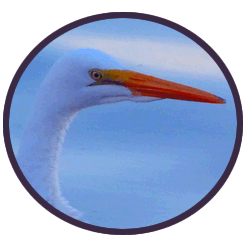
Cranes are stunningly beautiful birds! They're very tall with long, skinny legs perfect for wading through water. Their necks are long and graceful, and they have sharp, pointed beaks. Most cranes stand between 3 and 5 feet tall-that's as tall as many kids!
Sandhill cranes are gray birds with red patches on their foreheads called crowns. Sometimes their feathers look rusty brown because they preen themselves with mud! Whooping cranes are North America's tallest birds, standing up to 5 feet tall. They're bright white with black wingtips and red crowns. Their wingspan can reach 7-8 feet across-wider than most people are tall!
Many crane species have beautiful decorative feathers called plumes that droop over their tails. Their feathers can be gray, white, brown, or even bluish. Cranes have powerful wings and can fly for many miles without stopping. In flight, they stretch their long necks straight out in front and their legs trail behind them. It's a magnificent sight!
Where Do Cranes Live?
Cranes live on almost every continent except South America and Antarctica! In North America, sandhill cranes are found from Alaska and Canada down to Florida and Mexico. Whooping cranes live in special protected areas in the United States and Canada. Other crane species live in Africa, Asia, Europe, and Australia.
These birds love wetland habitats! They're often found in marshes, shallow lakes, wet meadows, and river valleys. Cranes need shallow water where they can wade and look for food. They also need open areas like grasslands and fields. During migration, you might see large flocks of cranes stopping to rest in farm fields.
Many crane species migrate very long distances! Sandhill cranes can travel over 3,000 miles between their summer breeding grounds in the north and winter homes in the south. The Platte River in Nebraska is famous for hosting over half a million sandhill cranes during their spring migration-it's one of nature's greatest spectacles!
What Do Cranes Eat?
Cranes are omnivores, which means they eat both plants and animals! They have a varied diet that changes with the seasons. In wetlands, cranes use their sharp beaks to catch small fish, frogs, snails, insects, and crayfish. They're excellent hunters and can quickly snatch prey from the water!
Cranes also eat lots of plant foods. They love seeds, grains, berries, and roots. During migration, sandhill cranes often feed in corn fields, eating leftover corn kernels from the harvest. They also dig up roots and tubers with their strong beaks. In winter, they eat acorns, waste grain, and whatever plant food they can find.
Young crane chicks need lots of protein to grow, so their parents feed them mostly insects and small animals. As the chicks get older, they start eating more plant food. Cranes spend much of their day foraging for food, walking slowly through shallow water or fields while searching for their next meal.
Baby Crane Facts
Baby cranes are called chicks or colts, and they're adorable! Crane parents build large nests in shallow water or on the ground in wetlands. The nests are made of marsh plants, grass, and sticks. Most cranes lay just 1-2 eggs, though some species lay 3.
The eggs are large and can be olive, brown, or buff-colored with darker spots. Both parents take turns sitting on the eggs for about a month. When the chicks hatch, they're covered in fluffy down feathers-usually brown, gray, or yellowish. Unlike some baby birds, crane chicks can walk and follow their parents within a day of hatching!
The parent cranes are very protective of their chicks. They teach the young birds how to find food and show them which foods are good to eat. Crane chicks grow quickly, and within about 2-3 months, they can fly! But they often stay with their parents through their first migration, learning the routes and stopover places. It takes several years before young cranes are ready to find mates and raise their own families.
Why Are Cranes Special?
Cranes are extraordinary birds that capture our imagination! Their graceful beauty, elaborate dances, and loud bugling calls make them unforgettable. They're among the most spectacular birds you could ever see!
These birds show us the importance of wetland habitats. Cranes need healthy marshes, wet meadows, and clean water to survive. When we protect wetlands for cranes, we're also protecting countless other animals and plants that depend on these special places.
The story of the whooping crane is especially inspiring! These birds were almost lost forever, but people worked hard to save them. Scientists raised whooping cranes in captivity and taught young birds to migrate by flying alongside them in ultralight aircraft! This amazing conservation work shows what we can accomplish when we care about protecting nature.
Cranes also teach us about loyalty and cooperation. Crane pairs work together to build nests, raise chicks, and defend their territory. Their lifetime partnerships and beautiful duet calls remind us of the strong bonds that exist in nature. These magnificent birds truly are special treasures of the wild!