What Do Salmon Look Like?
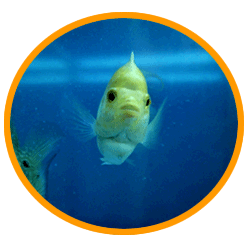
Salmon change their appearance dramatically during their lives! Young salmon in rivers have dark backs and silvery sides with spots or bars for camouflage. When salmon migrate to the ocean, they become bright silver all over. This coloring helps them blend in with the open water. Ocean salmon are sleek, muscular fish built for powerful swimming. They have streamlined bodies, forked tails, and strong fins. Salmon look like typical fish during most of their lives!
But when salmon return to spawn, they transform completely! Breeding salmon develop bright colors and bizarre body changes. Male sockeye salmon turn brilliant red with green heads. Chinook salmon develop dark spots and bronze coloring. Pink salmon males grow huge humps on their backs. The most dramatic change happens to male salmon jaws-they develop hooked snouts called kypes with large teeth. These changes make spawning salmon look like completely different fish!
Different salmon species have distinctive features! Chinook salmon are the largest-they can grow over 5 feet long and weigh 130 pounds! Atlantic salmon have X-shaped spots on their sides. Pink salmon have large black spots on their backs and tails. Coho salmon have black mouths with white gums. Chum salmon develop purple and green stripes. Sockeye salmon have the reddest spawning color. Each species is perfectly designed for its unique life cycle and habitat!
Where Do Salmon Live?
Salmon live in both freshwater and saltwater during their lives! Baby salmon hatch in cold, clear rivers and streams. They spend their early lives in these freshwater habitats, hiding from predators and eating insects. When salmon are ready, they migrate downstream to the ocean. Pacific salmon live in the Pacific Ocean from California to Alaska and across to Russia and Japan. Atlantic salmon live in the North Atlantic Ocean near North America and Europe!
Adult salmon spend most of their lives roaming the open ocean! They travel thousands of miles hunting for food and growing large and strong. Pacific salmon may swim 2,000 miles out into the ocean. During their ocean years, salmon eat enormous amounts of food and grow quickly. The ocean provides rich feeding grounds where salmon feast on small fish, krill, and squid. Salmon must avoid predators like seals, sharks, and orcas while at sea!
When it is time to spawn, salmon return to freshwater! They navigate back to the exact stream where they were born-sometimes traveling over 1,000 miles inland! Scientists discovered salmon use several navigation methods. They remember the unique smell of their home stream. They use the sun and Earth's magnetic field to navigate the ocean. They can detect tiny differences in water chemistry. This incredible homing ability is one of nature's most amazing navigation feats!
What Do Salmon Eat?
Salmon diets change as they grow! Newly hatched salmon called alevins live off their yolk sacs for several weeks. When the yolk is gone, young fry eat tiny water insects, insect larvae, and zooplankton. As salmon grow bigger, they eat larger prey like mayflies, caddisflies, and small fish. Young salmon in rivers must eat constantly to grow strong enough for their ocean journey. They have excellent eyesight for spotting prey in the water!
Ocean salmon are powerful hunters! Once in saltwater, salmon switch to a high-protein diet. They eat small fish like herring, anchovies, and sand lance. Salmon also feast on krill, squid, and other crustaceans. The pink color of salmon meat comes from eating krill and other seafood rich in carotenoids. Salmon in the ocean feed intensively, sometimes eating their own body weight in food each month. This aggressive feeding fuels their incredible growth!
Spawning salmon stop eating completely! When salmon enter rivers to spawn, they stop feeding. Their digestive systems actually shut down. Salmon live off stored body fat for their entire upstream journey-sometimes for several months! They use all their energy swimming against powerful currents, leaping waterfalls, and producing eggs or milt. After spawning, most Pacific salmon die from exhaustion. Their bodies provide food for bears, eagles, and other animals, enriching the river ecosystem!
Baby Salmon Facts
Baby salmon go through several life stages with different names! Female salmon dig nests called redds in gravel streambeds using their tails. They lay hundreds or thousands of eggs in the redd. Males release milt (sperm) to fertilize the eggs. The female covers the eggs with gravel to protect them. Eggs incubate in the cold gravel for 1 to 4 months depending on water temperature. Warmer water makes eggs develop faster!
Newly hatched salmon are called alevins! These tiny fish are only about 1 inch long with large yolk sacs attached to their bellies. Alevins stay hidden in the gravel, living off their yolk sacs for several weeks. During this time, they develop swimming abilities and grow stronger. Once the yolk sac is absorbed, the baby salmon emerge from the gravel as fry. Fry start eating insects and hiding from predators like larger fish and birds!
Young salmon prepare for their ocean journey! After several months or years in freshwater (depending on species), juvenile salmon undergo smoltification. Their bodies change to adapt to saltwater. They become more streamlined and develop silver coloring. Smolts group together and swim downstream toward the ocean. This migration usually happens in spring when water flows are high. The young salmon must avoid being eaten by birds, larger fish, and seals waiting at river mouths!
Life is dangerous for young salmon! Only about 1% of salmon eggs survive to return as spawning adults. Eggs get eaten by trout and other fish. Fry face predators everywhere-herons, kingfishers, otters, and larger fish all hunt them. Many smolts die during their ocean journey. Those that survive spend 1 to 6 years at sea (depending on species) growing large and strong. When they mature, their instincts drive them to return home and complete the cycle by spawning in their birth stream!
Why Are Salmon Important?
Salmon are keystone species that support entire ecosystems! When salmon return to spawn, they bring ocean nutrients inland. Over 130 species depend on salmon-including bears, eagles, wolves, ravens, and countless others! Bears that eat salmon grow larger and healthier. Eagles time their nesting to when baby eagles can eat spawning salmon. Even trees and plants benefit from nutrients in salmon bodies. When salmon populations decline, entire forest and river ecosystems suffer!
These remarkable fish are important to people around the world! Commercial fishing catches millions of salmon each year, providing jobs and food. Salmon is a healthy food rich in protein and omega-3 fatty acids. Sport fishing for salmon attracts tourists to rivers and supports local economies. Native peoples have cultural and spiritual connections to salmon going back thousands of years. Many tribes hold first salmon ceremonies to honor these sacred fish!
Salmon face serious conservation challenges today! Dams block salmon migrations, preventing fish from reaching spawning grounds. Pollution degrades water quality. Overfishing depletes wild populations. Warm water stresses salmon. Habitat destruction removes the cold, clear streams salmon need. Conservation efforts focus on removing dams, restoring habitats, limiting fishing, and protecting watersheds. Hatcheries help supplement wild populations. Saving salmon means protecting rivers, forests, and oceans!
Salmon demonstrate the Creator's amazing design! These fish were perfectly created with incredible navigation abilities, powerful swimming muscles, and adaptations for living in both fresh and saltwater. Their life cycle connects rivers to oceans in brilliant design. The way salmon return to their birthplace after years at sea shows built-in wisdom and purpose. Salmon enrich entire ecosystems, showing how creation works together in harmony. Every salmon run is a reminder of the Creator's perfect planning and the wonder of the natural world He designed!