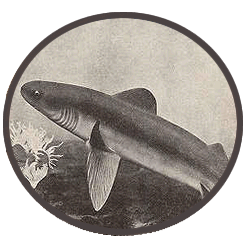
What Did Extinct Fish Look Like?
The Chinese paddlefish was one of the largest freshwater fish ever! It grew up to 23 feet long-longer than most cars! It had a long, sword-like snout that made up a third of its body. This snout was covered in sensors that detected tiny electrical signals from prey. Chinese people called it the "king of freshwater fish" because it was so large and special!
The Tecopa pupfish was one of the smallest extinct fish! It was only about 1.5 inches long and lived in warm springs in California. This tiny fish was bright blue and silver. The Tecopa pupfish could survive in water up to 108 degrees Fahrenheit! It was the first animal removed from the Endangered Species Act because it went extinct. Despite its tiny size, its loss was a big deal!
The blackfin cisco was a beautiful silver fish from the Great Lakes! It grew about 12 inches long and had dark fins that gave it its name. The silver trout of New Hampshire was a shimmering lake fish about 10 inches long. The harelip sucker had a unique split upper lip designed for scraping food from rocks. Each extinct fish had special features suited for its home waters!
Where Did Extinct Fish Live?
The Chinese paddlefish lived only in the Yangtze River in China! The Yangtze is the longest river in Asia, stretching over 3,900 miles. Paddlefish once swam its entire length. They needed to travel long distances to breed. When dams blocked the river, paddlefish could no longer reach their breeding grounds. The last confirmed Chinese paddlefish was seen in 2003. It was declared extinct in 2020!
Many extinct fish lived in tiny, isolated habitats! The Tecopa pupfish lived in just two hot springs in the Mojave Desert of California. When these tiny habitats were damaged, the fish had nowhere else to go. Desert springs are fragile places where life depends on a constant flow of warm water. A single change can wipe out everything that lives in them!
The Great Lakes of North America lost several fish species! The blackfin cisco, deepwater cisco, and longjaw cisco all disappeared from the Great Lakes. These fish lived in deep, cold waters. Overfishing and the arrival of invasive sea lampreys destroyed their populations. The Great Lakes are massive-but even large bodies of water can lose species when threats become too great!
What Did Extinct Fish Eat?
The Chinese paddlefish was a filter feeder! Despite its enormous size, it ate tiny creatures. It would swim with its huge mouth open, filtering plankton and small fish from the water. Its long, sensitive snout helped it find thick clouds of plankton. Young paddlefish ate tiny water creatures called zooplankton. As they grew, they added small fish to their diet!
Pupfish ate algae, tiny insects, and whatever they could find! In the hot desert springs where they lived, food options were limited. Pupfish scraped algae from rocks and ate small water insects. They had to make the most of their tiny habitat. Every pupfish species had its own diet matched to the food available in its particular spring!
The Great Lakes cisco species ate plankton and small creatures from deep water! They were important links in the Great Lakes food chain. Bigger fish like lake trout depended on cisco for food. When cisco species disappeared, the entire food chain was affected. The harelip sucker used its unique split lip to scrape algae and tiny creatures from river rocks. Each extinct fish had a special way of finding food!
Baby Extinct Fish Facts
The Chinese paddlefish had to travel hundreds of miles to spawn! Adult paddlefish would swim upstream to gravel beds where females laid their eggs. Each female could produce thousands of tiny eggs. When dams blocked these routes, the fish could no longer reach their spawning grounds. Without being able to breed, the population slowly declined until none were left!
Pupfish laid their eggs in shallow, warm water! Males would claim small territories in the springs and show off their bright colors to attract females. Females laid just a few eggs at a time, attaching them to rocks and plants. The eggs hatched quickly in the warm spring water. Baby pupfish grew fast and could start breeding within just a few months!
Great Lakes cisco spawned in deep, cold water! They would gather in large groups during spawning season and release millions of eggs. The eggs sank to the lake bottom and hatched weeks later. Baby cisco were tiny and see-through. They fed on microscopic plankton near the surface before moving to deeper waters as they grew!
The loss of breeding habitats was the biggest threat to many fish! Dams blocked travel routes. Pollution poisoned spawning grounds. Hot springs were diverted away from pupfish nests. Without safe places to lay eggs and raise young, fish populations couldn't replace themselves. Protecting breeding habitats is the most important thing we can do for endangered fish today!
Why Are Extinct Fish Important?
Extinct fish teach us about the importance of clean water! Every fish species that disappeared was lost because humans changed its habitat. Dams, pollution, overfishing, and water diversion have pushed fish to extinction. Fish are often the first animals to disappear when water quality drops. They serve as warning signs for the health of our waterways!
Many living fish species face the same threats today! Thousands of freshwater fish species are endangered worldwide. Rivers continue to be dammed and polluted. Desert springs are still being diverted for human use. Invasive species continue to spread. The stories of extinct fish should motivate us to protect the fish that remain!
Fish are essential parts of healthy ecosystems! They provide food for birds, mammals, and other fish. They keep insect and algae populations in check. They move nutrients through waterways. When fish disappear, the whole ecosystem suffers. Healthy fish populations mean healthy rivers, lakes, and oceans!
Extinct fish remind us that every waterway matters! From the mighty Yangtze River to a tiny desert spring, every body of water supports life that depends on it. By protecting water quality, removing unnecessary dams, and controlling invasive species, we can prevent more fish from being lost. The choice to save our fish is a choice to save our waters!