What Do Iguanas Look Like?
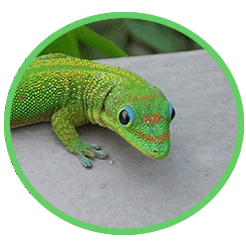
Iguanas look like miniature dragons! Green iguanas are the most well-known species. They have bright green skin, a row of spines running from their head to their tail, and a large flap of skin under their chin called a dewlap. Their long tails make up more than half their total body length! Green iguanas can grow over 6 feet long and weigh up to 20 pounds. Their sharp claws are perfect for gripping tree bark as they climb!
Marine iguanas from the Galapagos Islands look very different! They are dark gray or black with blunt snouts for scraping algae off rocks. They have flattened tails for swimming and long claws for gripping slippery ocean rocks. During breeding season, males turn bright red and green! Land iguanas on the Galapagos are yellow or golden. Desert iguanas are pale gray to blend with sandy desert landscapes. Each iguana species is designed for its specific habitat!
Iguanas have a secret third eye! On top of their heads, iguanas have a special light-sensing organ called a parietal eye. You can see it as a pale spot between their regular eyes. This third eye cannot see images, but it can detect changes in light and dark-like the shadow of a hawk passing overhead! It helps iguanas sense predators and also helps regulate their body clock and basking behavior. How cool is that-a lizard with three eyes!
Where Do Iguanas Live?
Iguanas live in many warm parts of the world! Green iguanas are found from Mexico through Central America and South America, and on many Caribbean islands. They are expert tree-dwellers that spend most of their time high in the forest canopy near rivers. If a predator threatens them, they jump from the tree into the water below and swim to safety! Green iguanas have also been introduced to South Florida, where they are now very common!
The Galapagos Islands are home to the world's most unique iguanas! Marine iguanas are the only sea-going lizards on Earth. They dive into cold Pacific waters to graze on underwater algae growing on rocks. Land iguanas live in the dry, rocky parts of the islands and eat cactus pads-spines and all! Pink iguanas live on a single volcano and were not discovered until 2009. The Galapagos is truly an iguana paradise!
Other iguana species live in surprising places! Desert iguanas thrive in the scorching deserts of the American Southwest, where temperatures reach 115 degrees Fahrenheit. Rock iguanas live on rocky Caribbean islands. Rhinoceros iguanas in Hispaniola have horn-like bumps on their snouts. Fiji iguanas are bright green and live only on a few Pacific islands. Blue iguanas from Grand Cayman were once the most endangered lizards on Earth with only 15 left, but conservation brought them back!
What Do Iguanas Eat?
Most iguanas are herbivores-they eat plants! Green iguanas munch on leaves, flowers, and fruit from the treetops. Their favorite foods include hibiscus flowers, leafy greens, and tropical fruits like mangoes and berries. Baby green iguanas sometimes eat insects for extra protein, but adults eat almost nothing but plants. Iguanas have special bacteria in their guts that help them digest tough plant material that most animals cannot break down!
Marine iguanas eat a very unusual diet-seaweed! They dive underwater and use their flat snouts and sharp teeth to scrape algae off rocks on the ocean floor. They can hold their breath for up to 30 minutes and dive to depths of 65 feet! After eating, they haul themselves onto sunny rocks to warm up-diving in cold water makes their body temperature drop. They also sneeze out extra salt through special glands near their noses!
Desert and land iguanas eat whatever plants they can find! Desert iguanas eat the flowers and fruit of creosote bushes and cactus. Galapagos land iguanas eat prickly pear cactus pads, rolling them on the ground first to knock off the sharpest spines. Some iguanas eat fallen fruit on the forest floor. Rhinoceros iguanas eat leaves, berries, and flowers. All iguanas need to bask in the sun after eating because warmth helps them digest their plant-heavy meals!
Baby Iguana Facts
Iguana mothers dig deep nests to lay their eggs! A female green iguana digs a burrow up to 6 feet long and lays 20 to 70 eggs inside. She covers the eggs with soil and leaves. The eggs take about 90 days to hatch. Marine iguana females may walk miles to find the right nesting beach. Land iguana mothers guard their nest sites fiercely-they will fight other females who try to dig too close!
Baby iguanas are tiny and adorable! Newborn green iguanas are about 6 to 9 inches long-including their tails-and bright green. They weigh less than an ounce! Baby marine iguanas are jet black and about 4 inches long. Despite their small size, baby iguanas are fully independent from the moment they dig out of the nest. They can climb, swim, and find food all on their own!
Baby green iguanas stick together for safety! After hatching, groups of baby iguanas travel together for up to a year. They share basking spots and use a buddy system-while some eat, others watch for predators. Scientists think this group behavior helps them learn which plants are safe to eat and which trees are best for basking. Safety in numbers is an important survival strategy for these tiny lizards!
Young iguanas face many dangers! Hawks, snakes, cats, and larger lizards all prey on baby iguanas. In the Galapagos, baby marine iguanas must run a terrifying gauntlet of racer snakes just to reach the safety of the rocks-a scene made famous in nature documentaries! Only a small percentage of baby iguanas survive to adulthood. Those that do can live 15 to 20 years or more in the wild!
Why Are Iguanas Important?
Iguanas play important roles in their ecosystems! As herbivores, they help spread seeds by eating fruit and depositing seeds in new locations through their droppings. Marine iguanas graze on algae, helping keep rocky shores clean and healthy. Land iguanas eat cactus flowers and spread cactus seeds across the Galapagos Islands. Without iguanas, the plant communities in their habitats would look very different!
Iguanas are food for many predators! Hawks, eagles, snakes, crocodilians, and large cats all hunt iguanas. In the Galapagos, hawks and herons eat baby iguanas. On Caribbean islands, boas and racers prey on iguana eggs and hatchlings. Iguanas are an important link in the food chain, transferring energy from plants to the predators that depend on them!
Many iguana species are endangered! Habitat destruction, invasive predators (like cats and rats), and the pet trade threaten iguana populations around the world. Several Caribbean rock iguana species have fewer than a few thousand individuals left. The Jamaican iguana was thought to be extinct until a small population was found in 1990! Conservation breeding programs and habitat protection are helping bring several iguana species back from the brink!
Iguanas are living reminders of our planet's incredible diversity! From the ocean-diving marine iguana to the tree-jumping green iguana, from the cactus-eating land iguana to the tiny spiny-tailed iguana, these lizards have adapted to an amazing range of habitats and lifestyles. Protecting iguanas and their habitats helps preserve the tropical forests, islands, and coastlines that countless other species also call home!
Cool Facts About Iguana!
- Ocean swimmers: Marine iguanas are the only lizards that feed in the ocean! They dive into cold Pacific water to eat algae off underwater rocks. Their flattened tails work like rudders, and their long claws grip slippery rocks in strong currents. When they come out of the water, they sneeze salt out of special nasal glands-launching white salt spray into the air! Charles Darwin called them "imps of darkness" when he first saw them in 1835!
- Tree jumpers: Green iguanas can survive incredible falls! If threatened while basking high in a tree, a green iguana will jump from heights of 40 to 50 feet and land on the ground without injury. They can also jump from trees into water and swim away. Their strong hind legs absorb the shock of landing, and their long tails help them balance during the fall. It is like having a built-in parachute and shock absorber!
- Third eye: Iguanas have a parietal eye on top of their heads! This "third eye" has a lens and retina and connects to the pineal gland in the brain. While it cannot form images, it detects light, dark, and movement-like the shadow of a predator flying overhead. The third eye helps iguanas regulate their daily rhythms and tells them how long to bask in the sun. Many other lizards have this feature, but it is easiest to see on iguanas!
- Head bobbing: Iguanas communicate through head bobs and dewlap displays! Males bob their heads up and down to claim territory and impress females. Different bob patterns mean different things-fast bobs are aggressive warnings, while slow bobs are friendly greetings. Males also extend their colorful dewlaps (throat fans) to look bigger and more impressive. Females bob their heads too, usually to respond to a male's display!
- Salt sneezing: Marine iguanas sneeze salt! Their bodies absorb excess salt from the seawater while they eat algae. Special glands near their noses filter the salt out of their blood, and the iguanas sneeze it out as a white, salty spray. After a day of diving, marine iguanas often have white salt crusts on their heads from all the sneezing. This salt removal system lets them eat ocean food that would be too salty for most other animals!
- Tail weapons: An iguana's tail is a powerful defensive weapon! Adult green iguanas can whip their tails with enough force to leave bruises or break skin. The tail makes up more than half the iguana's total length and is used for balance in trees, swimming, and self-defense. If grabbed by a predator, some iguanas can drop their tails like other lizards-the tail keeps thrashing while the iguana escapes and grows a new one!
- Color changers: Some iguanas can change color! Green iguanas get darker when they are cold and lighter when they are warm. Males turn bright orange during breeding season to attract females. Marine iguanas turn from black to stunning red and green during mating time. Baby green iguanas are bright, vivid green for camouflage in leafy trees but become darker and more grayish-green as adults!
- Conservation comeback: The Grand Cayman blue iguana nearly went extinct! By 2002, only 10 to 15 blue iguanas remained in the wild. A breeding program at the Queen Elizabeth II Botanic Park raised hundreds of baby iguanas and released them into protected habitat. Today, over 1,000 blue iguanas live in the wild again! This is one of the greatest reptile conservation success stories ever. It proves that dedicated effort can save a species from the brink!