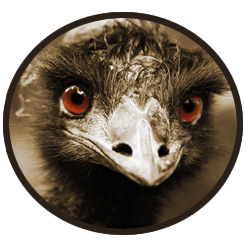
What Do Ostriches Look Like?
Ostriches are HUGE! Males can grow up to 9 feet tall - that's taller than a basketball hoop! They can weigh as much as 350 pounds. That makes them the heaviest birds in the world!
Male ostriches have beautiful black and white feathers! Their bodies are covered in fluffy black feathers, while their wings and tail have bright white plumes. These fancy feathers help them attract female ostriches.
Female ostriches are brown and gray! Their duller colors help them blend in with the ground when they're sitting on eggs. This camouflage protects the nest from predators.
Ostriches have really long necks and legs! Their neck can be 3 feet long, helping them see far across the plains. Their legs are super powerful - each leg has only two toes (most birds have three or four). One toe is much bigger than the other and works like a hoof!
Their eyes are enormous! An ostrich's eye is about 2 inches across - bigger than its brain! They're the largest eyes of any land animal. These big eyes help ostriches spot danger from very far away.
Ostriches have tiny wings compared to their huge bodies! Their wings are about 6 feet across, but they're way too small to lift such a heavy bird. Instead, ostriches use their wings for balance when running and to help stay cool by flapping them.
Where Do Ostriches Live?
Ostriches live in Africa! They roam the hot, dry savannas (grasslands) and semi-desert areas. You can find them in countries across central and southern Africa.
Long ago, ostriches lived in the Middle East too! But wild ostriches disappeared from those areas. Now they only live wild in Africa, though people raise them on farms all over the world.
Ostriches love open spaces! They prefer flat areas with short grass where they can see predators coming from far away. They don't like forests because their long legs can get tangled in bushes.
They're well-suited for hot, dry places! Ostriches can go for days without drinking water. They get moisture from the plants they eat. When they do find water, they love to take baths to cool off!
Ostriches live in groups called flocks! A flock might have 5 to 50 birds. Living in groups helps protect them - more eyes watching for danger! During breeding season, one male lives with several females.
What Do Ostriches Eat?
Ostriches are omnivores! They eat mostly plants, but they also munch on insects and small animals when they find them.
What's on an ostrich's menu?
- Seeds and grains
- Roots and leaves
- Flowers and fruits
- Grasshoppers and locusts
- Lizards and small rodents
- Sometimes they eat rocks and pebbles!
Wait, rocks? Yes! Ostriches swallow small stones on purpose. These stones sit in their gizzard (a special stomach part) and help grind up tough plant food. The stones work like teeth since birds don't have teeth to chew!
An ostrich can eat up to 8 pounds of food per day! They spend most of their day walking around looking for food. They use their excellent eyesight to spot seeds, plants, and insects.
Ostriches don't have teeth! Instead, they have a strong, flat beak perfect for plucking plants and grabbing insects. They swallow their food whole, and the stones in their gizzard do the grinding work.
During dry seasons when food is scarce, ostriches can survive on very little! Their bodies are designed to store nutrients efficiently. When food is plentiful, they eat extra to build up energy reserves.
Baby Ostriches
Baby ostriches are called chicks. When they hatch, they already have feathers and can run! They look like fluffy tan and brown tennis balls with legs.
One male ostrich mates with several females! All the females lay their eggs in one giant nest on the ground. A nest might have 15 to 60 eggs! The main female (called the major hen) lays her eggs in the center where they're safest.
Parents take turns sitting on the eggs! The main female sits during the day - her brown feathers blend in with the ground. At night, the male sits on the nest - his black feathers are harder to see in the dark. They incubate the eggs for about 40 to 45 days.
The chicks are tough! Baby ostriches hatch ready to go. Within just a few days, they can run 35 miles per hour! But they stay close to their parents for protection. When danger comes, chicks lie flat on the ground to hide.
Both parents protect the chicks! If a predator threatens the babies, parents will charge and kick. Sometimes they pretend to be injured, leading predators away from the chicks.
Young ostriches grow fast! They gain about a foot in height each month for their first few months! By six months old, they're almost as big as adults. They stay with their parents for their first year, learning where to find food and water.
Not all chicks survive! In the wild, only about 15% of ostrich chicks make it to adulthood. Predators like jackals, hyenas, and eagles hunt them. That's why ostriches lay so many eggs - it gives some chicks a chance to survive.
Why Are Ostriches Special?
Ostriches are designed with amazing survival abilities! Even though they can't fly, they're perfectly suited for life on the African plains. Their speed, eyesight, and powerful kicks help them survive in places with lots of predators.
Ostriches are important for their ecosystem! They spread seeds in their droppings, helping plants grow in new areas. They also eat lots of insects, helping control insect populations.
People have used ostrich products for thousands of years! Ostrich feathers were popular for decorating hats and clothes. Today, some people farm ostriches for meat, leather, and feathers. Ostrich leather is very strong and unique-looking!
These incredible birds show that you don't need to fly to be amazing! Ostriches prove that being fast and strong on the ground can be just as impressive as soaring through the sky.