What Do Flightless Birds Look Like?
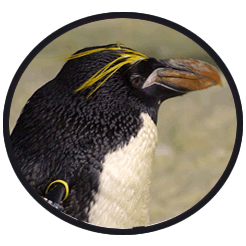
Flightless birds come in all shapes and sizes! The ostrich is the world's largest bird, standing up to 9 feet tall. Emperor penguins are about 4 feet tall and built like torpedoes. Kiwis are chicken-sized with hair-like feathers and long whisker-tipped beaks. The kakapo is a chubby, moss-green parrot the size of a cat. Every flightless bird looks different!
Flightless birds have smaller wings compared to their bodies! Their wing bones are shorter, and their chest muscles are smaller than flying birds. Penguins have stiff, flat wings that work as flippers. Ostriches have large, fluffy wings used for balance and showing off. Kiwis have tiny wings hidden under their feathers-so small you can barely see them!
Many flightless birds make up for not flying with strong legs! Ostriches have the most powerful legs of any bird. Cassowaries have dagger-like claws on their inner toes. Rheas have long, muscular legs for running across South American grasslands. Penguins have short, strong legs perfect for waddling on ice and launching from water!
Where Do Flightless Birds Live?
Flightless birds are found on every continent! Penguins live in the Southern Hemisphere, from Antarctica to the equator. Ostriches roam the grasslands and deserts of Africa. Emus live across Australia. Rheas run through the plains of South America. Kiwis and kakapos are found only in New Zealand. Some flightless birds live on tiny islands!
Many flightless birds live on islands! Islands often have fewer predators, so birds didn't need to fly to escape danger. New Zealand has the most flightless birds, including kiwis, kakapos, wekas, and takahe. The Galapagos Islands have a flightless cormorant. The Falkland Islands have a flightless steamer duck that beats its wings on the water like a paddle boat!
Flightless birds live in very different habitats! Emperor penguins survive on Antarctic ice in temperatures below minus 40 degrees. Ostriches handle blazing desert heat above 120 degrees. Kakapos hide in dense New Zealand forests. Cassowaries live in tropical rainforests. Rheas prefer open grasslands. These birds have found ways to thrive without flight in every type of environment!
What Do Flightless Birds Eat?
Flightless birds eat everything from fish to fruit! Penguins are ocean hunters that eat fish, squid, and tiny shrimp called krill. Emperor penguins can dive over 1,800 feet deep to find food. They hold their breath for up to 20 minutes during a single dive. Penguins eat so much fish that some colonies catch millions of pounds per year!
Many large flightless birds are plant eaters! Ostriches eat seeds, roots, flowers, and leaves. They also swallow small stones to help grind up food in their stomachs. Kakapos are the only flightless parrots and eat berries, seeds, and plant juices. Cassowaries eat fallen fruit and spread seeds through the rainforest in their droppings!
Some flightless birds are omnivores that eat everything! Kiwis use their long beaks to probe soil for earthworms, beetles, and berries. Wekas eat insects, eggs, berries, and even small lizards. Emus eat seeds, fruits, insects, and small animals. Rheas eat plants, insects, lizards, and small birds. Being flexible eaters helps these ground-dwelling birds find enough food!
Baby Flightless Bird Facts
Baby flightless birds arrive in different ways depending on the species! Ostrich fathers dig a nest pit in the ground where several females lay eggs. One nest can hold up to 60 eggs! Emperor penguin mothers lay a single egg and pass it to the father. The father balances the egg on his feet under a warm flap of skin for over 60 days in the Antarctic winter!
Some baby flightless birds are very independent! Baby ostriches can walk and follow their parents within hours of hatching. Kiwi chicks hatch fully feathered and can find food on their own after about a week. Baby emus are striped like tiny watermelons and follow their father everywhere. Emu fathers raise the chicks alone for up to 18 months!
Penguin chicks are some of the cutest baby birds! Emperor penguin chicks are covered in fluffy gray down. They huddle together in groups called creches while both parents hunt for food. Chicks beg loudly when parents return, and each parent recognizes its own chick's voice among thousands. Baby penguins must grow their waterproof feathers before they can swim!
Many flightless bird babies face serious dangers! Predators like cats, rats, and stoats (introduced by humans) threaten chicks on islands. Kakapo chicks are especially vulnerable because they nest on the ground. Conservation programs protect nests with predator-proof fences. Scientists even hand-raise some chicks to make sure every baby survives!
Why Are Flightless Birds Special?
Flightless birds show us that flying isn't everything! These birds traded flight for other incredible abilities. Penguins became the best swimmers in the bird world. Ostriches became the fastest runners. Kiwis developed an amazing sense of smell. Each flightless bird found its own special way to succeed!
Many flightless birds are in serious trouble! Because they can't fly away from danger, they're especially vulnerable to introduced predators. Cats, rats, dogs, and stoats have devastated flightless bird populations on islands worldwide. The kakapo, takahe, and many penguin species are endangered. Protecting these unique birds is a top conservation priority!
Flightless birds play important roles in their ecosystems! Cassowaries are essential rainforest gardeners that spread large seeds. Penguins fertilize ocean islands with their droppings. Ostriches graze grasslands and spread seeds. Kiwis turn over soil while searching for food. Without these birds, their habitats would be very different!
Flightless birds remind us how diverse and amazing nature is! A bird that swims like a torpedo, a parrot that walks the forest floor at night, a giant that runs faster than a horse-these animals break every rule about what a bird should be. They prove that nature's designs come in endless wonderful forms!