What Do Segmented Worms Look Like?
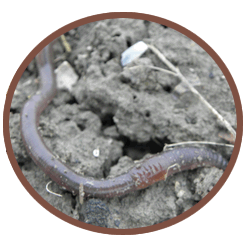
Segmented worms have long, tube-like bodies divided into many ring-like segments! Each segment looks like a tiny ring stacked with the next. Earthworms can have 100 to 150 segments. Their bodies are soft and flexible with no hard parts. Earthworms are typically reddish-brown or pink. They have a thicker band near their head called the clitellum, which helps with reproduction!
Marine bristle worms, called polychaetes, look very different from earthworms! Many have paddle-like appendages on each segment that help them swim and breathe. Some bristle worms are brilliantly colored-Christmas tree worms spiral in bright reds, blues, and yellows. Feather duster worms have fan-shaped tentacle crowns. Fire worms have tiny, sharp bristles that sting like fiberglass. Marine segmented worms are surprisingly beautiful!
Leeches are segmented worms with suckers at both ends! Most leeches are flat and oval-shaped. They range from tiny to the giant Amazonian leech that can reach 18 inches. Leeches have powerful suckers for attaching to surfaces and hosts. Their bodies can stretch to several times their resting length. While most people think leeches are creepy, they have some fascinating features!
Where Do Segmented Worms Live?
Segmented worms live almost everywhere on Earth! Earthworms live in soil on every continent except Antarctica. They need moist soil because they breathe through their skin. Earthworms are found in gardens, forests, fields, and meadows. They live from just below the surface down to several feet deep. One square meter of healthy garden soil can contain over 300 earthworms!
Marine bristle worms live in oceans worldwide! They're found from shallow tide pools to the deepest ocean trenches. Tube worms build tubes of sand, mud, or calcium on rocks and coral. Some bristle worms live in the sand on the ocean floor. Giant tube worms live near deep-sea hydrothermal vents, where superheated water shoots up from the Earth's crust. These vent worms can be over 6 feet long!
Leeches live in freshwater habitats and moist tropical forests! They're found in ponds, lakes, streams, and swamps. Some leeches live in tropical rainforests, waiting on leaves and branches for passing animals. A few leech species live in the ocean. Land leeches are common in Asian and Australian rainforests. Leeches need moist environments because, like all segmented worms, they breathe through their skin!
What Do Segmented Worms Eat?
Earthworms eat dead plant material and soil! They swallow soil as they burrow, digesting the tiny bits of organic matter in it. Earthworms eat fallen leaves, grass clippings, and other dead plant parts. A single earthworm can eat its own body weight in food every day! As soil passes through their bodies, they break it down into rich, fertile castings. Earthworm poop is some of the best natural fertilizer!
Marine bristle worms eat in many different ways! Filter-feeding worms like feather dusters wave their tentacles to catch tiny food particles from the water. Predatory bristle worms hunt small creatures with powerful jaws. Some bristle worms graze on algae. Deep-sea vent worms don't eat at all-they have bacteria inside their bodies that produce food from chemicals in the vent water!
Most leeches are blood-feeders, but not all! About three-quarters of leech species feed on the blood of fish, turtles, frogs, birds, or mammals. Blood-feeding leeches have sharp jaws that cut through skin. They produce a numbing chemical so the host doesn't feel the bite. Other leeches are predators that swallow small worms, insect larvae, and snails whole. Some leeches are scavengers that eat dead animal matter!
Baby Segmented Worm Facts
Earthworms are hermaphrodites-each worm has both male and female parts! But they still need a partner to reproduce. Two earthworms line up side by side and exchange sperm. Later, each worm produces a small cocoon from its clitellum band. The cocoon slides off the worm's head, containing fertilized eggs. Baby worms hatch from the cocoon after a few weeks!
Baby earthworms are tiny but complete! They emerge from their cocoons looking like miniature adults-just much smaller and lighter in color. Newborn earthworms are about half an inch long and almost transparent. They start eating and burrowing right away. Baby earthworms grow quickly if conditions are good. They can reach adult size in just a few months!
Marine bristle worms reproduce in many ways! Some release eggs and sperm into the water in massive spawning events. Palolo worms in the Pacific swarm to the surface on specific nights each year-such a reliable event that people harvest them for food. Some bristle worms break apart, with each piece growing into a new worm. Others brood their eggs, carrying them until they hatch!
Leeches produce cocoons similar to earthworms! The cocoon protects the developing eggs until they hatch. Baby leeches look like miniature adults. Some leech species are devoted parents-they carry their young attached to their underside. Baby leeches start feeding on their own shortly after hatching. Freshwater leeches may produce several generations in a single year!
Why Are Segmented Worms Special?
Segmented worms are essential for life on Earth! Earthworms create the healthy soil that grows our food. Without earthworms, soil would be hard, compacted, and low in nutrients. Farmers and gardeners know that lots of earthworms mean healthy soil. These humble creatures quietly do more for our planet than almost any other animal!
Marine segmented worms are vital for ocean ecosystems! Bristle worms help recycle nutrients on the ocean floor. Tube worms create structures that other animals live in. Filter-feeding worms help clean the water. Deep-sea vent worms support entire communities of life in the lightless deep ocean. Without segmented worms, both land and ocean ecosystems would struggle!
Segmented worms are important for science and medicine! Leech saliva provides chemicals used in modern medicine. Earthworms help scientists study soil health and pollution. Marine worms help researchers understand deep-sea ecosystems. The segmented body plan of annelids has taught biologists much about how animal bodies are organized!
Segmented worms prove that you don't need to be big or flashy to be incredibly important! From the earthworm turning soil in your garden to the Christmas tree worm decorating a coral reef, these ringed animals play enormous roles in our world. Next time you see an earthworm after a rain, remember-you're looking at one of nature's most important and hardworking animals!