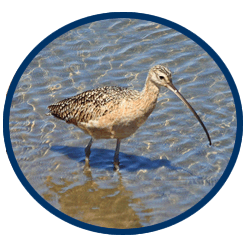
What Do Shorebirds Look Like?
Shorebirds come in many shapes and sizes! Most have long legs for wading and long bills for probing mud and sand. Sandpipers are small, quick birds with brown and white feathers. Plovers are rounder, with shorter bills and big eyes. Black-necked stilts have super-long pink legs that make them look like they're walking on stilts. Oystercatchers are chunky birds with bright orange bills!
Shorebird bills are designed for different foods! Long-billed curlews have bills that curve downward, reaching deep into mud for worms and crabs. Avocets have bills that curve upward, sweeping through shallow water. Ruddy turnstones have short, strong bills for flipping over rocks and shells. Each bill shape lets the bird reach food that other shorebirds can't get to!
Many shorebirds change color with the seasons! In spring and summer, they wear bright breeding colors to attract mates. Red knots turn rusty red. Dunlins get black belly patches. Golden plovers sparkle with gold and black spots. In winter, most shorebirds turn plain gray or brown to blend in with beaches and mudflats. It's like having two wardrobes!
Where Do Shorebirds Live?
Shorebirds live on every continent, including Antarctica! They're found anywhere there's a shoreline-ocean beaches, lake edges, riverbanks, and mudflats. Some shorebirds live in wetlands far from the coast. Killdeer are common in parking lots, farm fields, and gravel driveways across North America. You don't even need to visit the beach to find shorebirds!
Many shorebirds nest in the Arctic tundra! The treeless northern plains provide wide-open nesting areas with plenty of insects for growing chicks. Species like the red knot, sanderling, and dunlin breed in the far north during the brief Arctic summer. When winter comes, they fly south to warmer coastlines. Some travel all the way to South America, Africa, or Australia!
Shorebird stopover sites are like gas stations on a highway! During migration, shorebirds need places to rest and refuel. Delaware Bay on the U.S. East Coast is one of the most important spots in the world. Each May, millions of shorebirds stop there to feast on horseshoe crab eggs. Without these key stopover sites, many shorebirds couldn't complete their long journeys!
What Do Shorebirds Eat?
Shorebirds eat worms, insects, crabs, clams, and other small creatures! They find most of their food in wet sand, mud, and shallow water. Sandpipers probe soft mud with their long bills, feeling for worms and tiny shellfish. Plovers use a different method-they run, stop, and peck at food they spot with their sharp eyes!
The way shorebirds feed depends on their bill shape! Birds with long bills probe deep into mud for buried worms and clams. Short-billed species pick food from the surface. Oystercatchers use their strong, flat bills to pry open mussels and oysters. American avocets sweep their curved bills through water like little scythes. Each species feeds at a different depth, so they don't compete with each other!
Sanderlings are the shorebirds you see chasing waves on the beach! They run down the sand as each wave pulls back, probing for tiny sand crabs and worms. Then they sprint back up the beach ahead of the next wave. They do this all day long, running back and forth like little wind-up toys. Sanderlings can probe the sand several times per second with their bills!
Baby Shorebird Facts
Most shorebirds nest right on the ground! They scrape a shallow dip in sand, gravel, or tundra grass. Some add a few pebbles or shell bits to the nest. Killdeer nest on bare ground, sometimes in parking lots and driveways! The eggs are so well camouflaged that people often don't see them. Most shorebirds lay 3 to 4 eggs in each nest!
Shorebird parents take turns sitting on the eggs! In most species, both the mother and father share incubation duty. Eggs take about 21 to 30 days to hatch, depending on the species. The parents barely eat during this time. They sit tight and rely on their camouflage to avoid being spotted by foxes, gulls, and other predators!
Baby shorebirds are some of the most independent chicks in the bird world! They hatch covered in fluffy, camouflaged down. Within hours, they can walk, run, and find their own food. The parents don't feed them at all! Baby shorebirds peck at tiny insects and worms on their own from day one. Their parents just watch for danger and keep the chicks warm at night!
Young shorebirds grow their flight feathers in about 3 to 5 weeks! Some species can fly and migrate on their own without their parents showing them the way. Young bar-tailed godwits fly from Alaska to New Zealand, a route they've never seen before! Scientists think they're born with a built-in map and compass. Their first migration is entirely guided by instinct!
Why Are Shorebirds Special?
Shorebirds are some of the greatest travelers in the animal kingdom! Many species fly from the Arctic to the Southern Hemisphere and back every year. The bar-tailed godwit's nonstop flight across the Pacific is the longest of any bird. These tiny birds with bodies smaller than a football cross entire oceans. Their migration is one of nature's most amazing feats!
Shorebirds connect ecosystems around the entire planet! A single sandpiper might spend winter on an African beach, stop at a European wetland, and nest on the Arctic tundra. They carry nutrients, seeds, and even tiny organisms between these faraway places. Shorebirds are living links between continents!
Many shorebird species are declining and need our help! Beach development, pollution, and loss of stopover sites threaten these birds. When a key mudflat is paved or polluted, millions of migrating birds lose a vital rest stop. Protecting beaches, wetlands, and tidal flats is essential for shorebird survival!
Watching shorebirds teaches us about the natural world! Their behaviors, migrations, and adaptations show how connected our planet really is. A bird that nests in Alaska and winters in New Zealand depends on healthy habitats across the entire Pacific. Protecting shorebirds means thinking globally-caring for coastlines, wetlands, and wild places all around the world!