What Do Anoles Look Like?
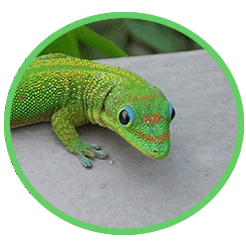
Green anoles are slender, graceful lizards with long tails and pointed snouts! They usually measure 5 to 8 inches from nose to tail tip. Their bodies are sleek and built for climbing. Males are a bit larger than females. Male anoles also have a colorful flap of skin under their throats called a dewlap. The dewlap is usually bright pink or reddish. It fans out like a little flag!
The most amazing thing about green anoles is their color-changing ability! They can shift from vivid emerald green to dark chocolate brown. This color change depends on temperature, mood, and surroundings. A relaxed anole basking in the sun is usually bright green. A stressed or cold anole turns brown. Unlike true chameleons, anoles don't match their background perfectly. They only shift between green and brown!
Brown anoles look different from green anoles! They're stockier with shorter snouts and rough-textured skin. Brown anoles are usually tan, brown, or gray with lighter patterns on their backs. Their dewlaps are orange or red with a yellow border. Both types of anoles have sticky toe pads. These special pads help them climb smooth surfaces like glass and walls!
Where Do Anoles Live?
Green anoles are native to the southeastern United States! They live from North Carolina down to Florida and west to Texas. You can find them in forests, gardens, parks, and even on walls of houses. Green anoles love areas with trees, bushes, and tall plants. They need warm, humid places with plenty of sunlight for basking!
Brown anoles originally came from Cuba and the Bahamas! They arrived in the United States about 150 years ago. Now they live throughout Florida and other southern states. Brown anoles tend to stay closer to the ground than green anoles. When both species share the same area, green anoles move higher into the trees. Brown anoles stay on lower branches and the ground. This way they share the space!
Anoles are excellent climbers that spend most of their time above the ground! They grip tree trunks, branches, fence posts, and walls with special toe pads. Each toe has tiny ridges covered in microscopic hair-like structures. These structures create a grip so strong that anoles can climb straight up glass windows! Anoles bask in sunny spots during the day. At night, they retreat to sheltered leaves to sleep!
What Do Anoles Eat?
Anoles are insect hunters with quick reflexes! They eat crickets, beetles, moths, flies, grasshoppers, and spiders. Anoles are sit-and-wait predators. They stay perfectly still on a branch until an insect wanders close. Then they strike with lightning speed! Their sticky tongues help grab small prey. An adult anole might eat 2 to 3 insects every day!
These little lizards have sharp eyesight for spotting prey! Anoles can see insects moving from several feet away. They slowly creep closer to their target. Then they lunge forward with a quick snap of their jaws. Anoles also eat small spiders, caterpillars, and even tiny snails. Some anoles have been spotted sipping nectar from flowers or licking fruit juice!
Baby anoles eat the same types of food as adults, just smaller! They hunt fruit flies, gnats, tiny ants, and aphids. Young anoles need to eat more often because they're growing fast. Anoles are helpful to have around your garden. They eat many insects that damage plants. They're nature's tiny pest control team!
Baby Anole Facts
Female anoles lay one egg at a time! Unlike many lizards that lay big clutches, anoles produce single eggs every 1 to 2 weeks during breeding season. The female buries each egg in moist soil, leaf litter, or mulch. She may lay 15 to 18 eggs total over one summer. The tiny eggs are only about the size of a pea!
Anole eggs take 5 to 7 weeks to hatch depending on temperature! Warmer conditions speed up development. The eggs need to stay moist. If they dry out, the baby inside won't survive. When ready to hatch, the baby anole uses a tiny egg tooth to cut through the shell. This egg tooth falls off shortly after hatching!
Baby anoles are adorable miniature versions of adults! They're only about 2 inches long, including their tiny tails. Hatchlings are independent from the moment they emerge. There's no parental care. Baby anoles immediately start hunting for tiny insects like fruit flies and gnats. They must also watch out for predators, including adult anoles that might eat them!
Young anoles grow quickly during their first year! They shed their skin regularly as they grow. Baby green anoles are usually brown at first. They develop their green coloring as they mature. By 8 to 12 months old, most anoles are close to full adult size. They can start breeding in their second year. Anoles typically live 3 to 6 years in the wild!
Why Are Anoles Special?
Anoles are some of the most common and watchable lizards in America! If you live in the southeastern United States, you probably see them in your backyard. They're fun to observe as they hunt, display their dewlaps, and change colors. Watching anoles is a great way for kids to learn about reptile behavior without traveling far!
These little lizards provide wonderful pest control! A single anole can eat hundreds of insects each month. They munch on mosquitoes, flies, ants, and beetles that bother people. By keeping insect populations in check, anoles help gardeners and homeowners. Having anoles around means fewer bug problems!
Anoles are very helpful to scientists too! Researchers study anoles more than almost any other lizard group. The 400-plus species on Caribbean islands have taught scientists how animals adapt to different environments. Anoles on different islands developed similar body types independently. Long-legged ground runners, sticky-toed trunk climbers, and slender twig-dwellers all appeared on separate islands. This pattern helps us understand how nature designs creatures for specific lifestyles!
These charming lizards remind us that amazing wildlife lives right in our neighborhoods! You don't need to visit a zoo or travel to a rainforest to see incredible animals. Anoles display colors, perform push-ups, hunt with precision, and climb walls. They do all of this in ordinary backyards. Next time you're outside on a warm day, look for a green anole basking on a fence post. Watch quietly, and you might see its dewlap flash pink!