What Do Goldfish Look Like?
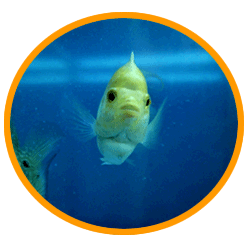
Most people picture goldfish as small orange fish, but goldfish come in incredible varieties! The common goldfish has a sleek body, single tail, and bright orange color. Fancy goldfish varieties look wildly different! Fantail goldfish have beautiful double tails that flow like fancy dresses. Black Moor goldfish are velvety black with bulging telescope eyes. Bubble Eye goldfish have huge fluid-filled sacs under their eyes that bounce when they swim. Lionhead goldfish have bumpy growths on their heads that look like manes!
Goldfish colors are amazingly diverse! Besides classic orange, goldfish can be red, yellow, white, black, brown, or combinations of these colors. Calico goldfish have patches of orange, black, and white. Some goldfish are metallic and shiny, while others have pearly matte scales. Shubunkin goldfish are called "calico fish" because of their beautiful blue, orange, black, and white patterns. Baby goldfish often start brown or gray and develop their colors as they grow older!
The size of goldfish depends on where they live! Goldfish in small bowls stay small-around 1 to 2 inches. But goldfish in large aquariums or outdoor ponds can grow huge! Common goldfish can reach 12 to 18 inches long-as big as a dinner plate! Fancy goldfish usually stay smaller, around 6 to 8 inches. The world record goldfish was over 18 inches long and weighed 9 pounds! Goldfish keep growing their whole lives if they have enough space and food.
Where Do Goldfish Live?
Goldfish originally came from China over 1,000 years ago! Wild goldfish still live in slow-moving rivers, lakes, and ponds in eastern Asia. People first started keeping goldfish as pets during the Tang Dynasty in China. By the 1600s, goldfish had spread to Japan, then Europe, and eventually all over the world. Today, goldfish are one of the most popular pets on Earth! They live in aquariums and ponds in almost every country.
Pet goldfish need specific conditions to stay healthy! Goldfish are cold-water fish that prefer temperatures between 65 and 75 degrees. They do not need heated aquariums like tropical fish do. Goldfish produce lots of waste, so they need good filtration systems to keep their water clean. A single goldfish needs at least 20 gallons of water-much more than a tiny fishbowl! Fancy goldfish do best in aquariums, while hardy common goldfish thrive in outdoor ponds.
Wild goldfish can survive almost anywhere! When pet goldfish are released into rivers and lakes, they often take over. Released goldfish grow much larger than aquarium fish. They compete with native fish for food and disturb habitats by digging in the mud. In some places, wild goldfish populations are considered invasive species. Scientists found goldfish surviving in freezing Minnesota lakes and hot Australian rivers. Goldfish adapt incredibly well to different environments!
What Do Goldfish Eat?
Goldfish are omnivores that eat both plants and animals! In the wild, goldfish munch on aquatic plants, algae, small insects, worms, and tiny crustaceans. They use their excellent sense of smell to find food on the bottom of ponds and rivers. Goldfish do not have stomachs-food goes straight from their throat to their intestines! This means goldfish need to eat small amounts frequently throughout the day rather than one big meal.
Pet goldfish eat a variety of foods! Most goldfish owners feed their fish flakes or pellets made specially for goldfish. These foods contain vitamins and minerals goldfish need to stay healthy. Goldfish also love treats like blanched peas, lettuce, cucumber, and cooked spinach. Live or frozen foods like brine shrimp, bloodworms, and daphnia provide extra protein. Goldfish have no teeth in their mouths but have grinding teeth in their throats called pharyngeal teeth!
Goldfish are famous for begging for food! They quickly learn to recognize their owners and swim to the surface at feeding time. Goldfish can even be trained to eat from your hand! But be careful-goldfish will eat until they make themselves sick. Overfeeding is one of the biggest health problems for pet goldfish. A goldfish's stomach is only about the size of its eye, so they only need a small pinch of food once or twice a day!
Baby Goldfish Facts
Baby goldfish are called fry, and they are tiny when they hatch! Goldfish are egg-layers that breed in the spring when water temperatures warm up. Female goldfish lay hundreds or even thousands of sticky eggs on plants, decorations, or the sides of the tank. The eggs look like tiny clear bubbles. Male goldfish fertilize the eggs by releasing sperm into the water. The eggs hatch in 4 to 7 days depending on water temperature!
Newly hatched goldfish fry are almost invisible! They are only about 1/8 inch long and transparent. For the first two days, fry have a yolk sac attached to their bellies that provides food. Once the yolk sac is absorbed, the fry start swimming and hunting for food. Baby goldfish eat infusoria-microscopic organisms in the water. As they grow, they can eat finely crushed fish food, baby brine shrimp, and powdered flakes. Fry grow quickly when well-fed!
Young goldfish look very different from adults! Most fry are brown, olive, or gray like wild carp. This dark coloring helps protect them from predators in the wild. Around 3 to 12 months old, goldfish begin developing their adult colors. Some goldfish turn bright orange in a few weeks, while others take over a year. Not all goldfish change color-some stay brown their whole lives! Goldfish continue growing and developing for 2 to 3 years before reaching full adult size and color.
Raising baby goldfish is challenging but rewarding! Adult goldfish will eat their own eggs and fry if given the chance, so breeders must separate them. Fry need very clean water and frequent small feedings. Goldfish keepers often use breeding tanks or ponds with lots of plants for fry to hide in. As the fry grow, breeders select the healthiest and most colorful ones. Most goldfish reach breeding age at 1 to 2 years old when they are about 4 inches long!
Why Are Goldfish Important?
Goldfish are wonderful starter pets that teach responsibility! Caring for goldfish helps children learn about feeding schedules, water quality, and animal needs. Goldfish are easier to care for than many other pets-they do not need walks, grooming, or veterinary visits. Watching goldfish swim is calming and relaxing. Studies show having an aquarium lowers stress and blood pressure. Goldfish bring joy and beauty into homes without requiring as much work as cats or dogs!
Goldfish have contributed to scientific research! Scientists study goldfish to learn about vision, memory, learning, and brain function. Goldfish can regrow damaged fins and regenerate some injured body parts, making them interesting for regeneration research. Their simple care requirements and fast breeding make goldfish useful for laboratory studies. Research on goldfish has helped us understand how fish see colors, hear sounds, and learn behaviors!
These beautiful fish connect people to nature! For kids growing up in cities without access to rivers or lakes, goldfish provide a window into aquatic life. Goldfish aquariums become miniature ecosystems where children can observe fish behavior, the nitrogen cycle, and aquatic plants. Many people who keep goldfish develop interests in fishkeeping, aquascaping, and marine biology. Goldfish inspire curiosity about underwater worlds and environmental conservation!
Goldfish reflect the Creator's variety and beauty! The amazing diversity of goldfish varieties-from telescope eyes to flowing fins to pearl-like scales-shows incredible design potential. People have bred goldfish for centuries, but all the traits were already present in the original created kinds. Goldfish demonstrate how animals can adapt and vary while remaining the same basic kind. Their intelligence, memory, and social behaviors reveal that even small fish are complex, purposefully designed creatures. Every goldfish is a reminder that the Creator filled Earth's waters with wonderful life!